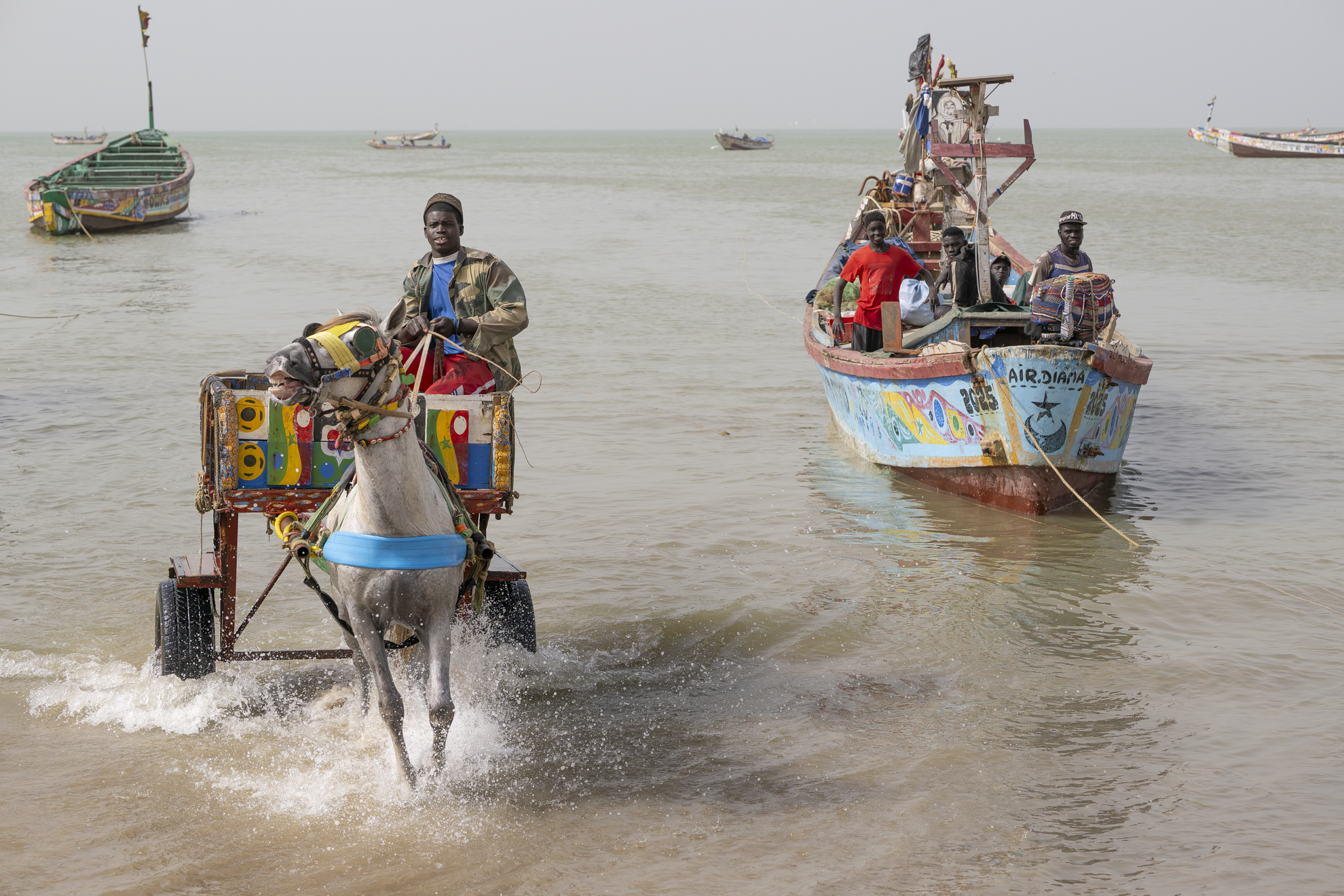
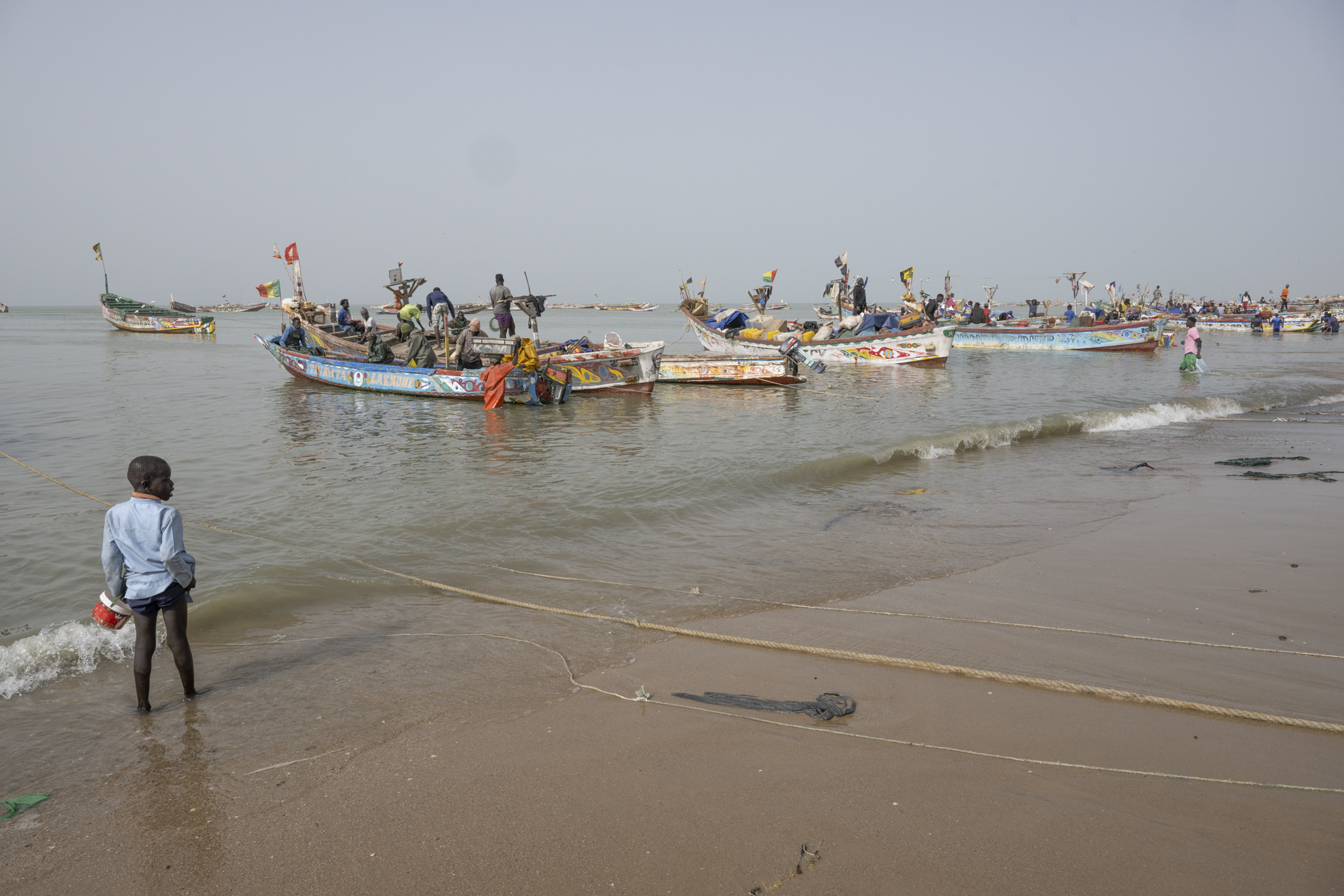
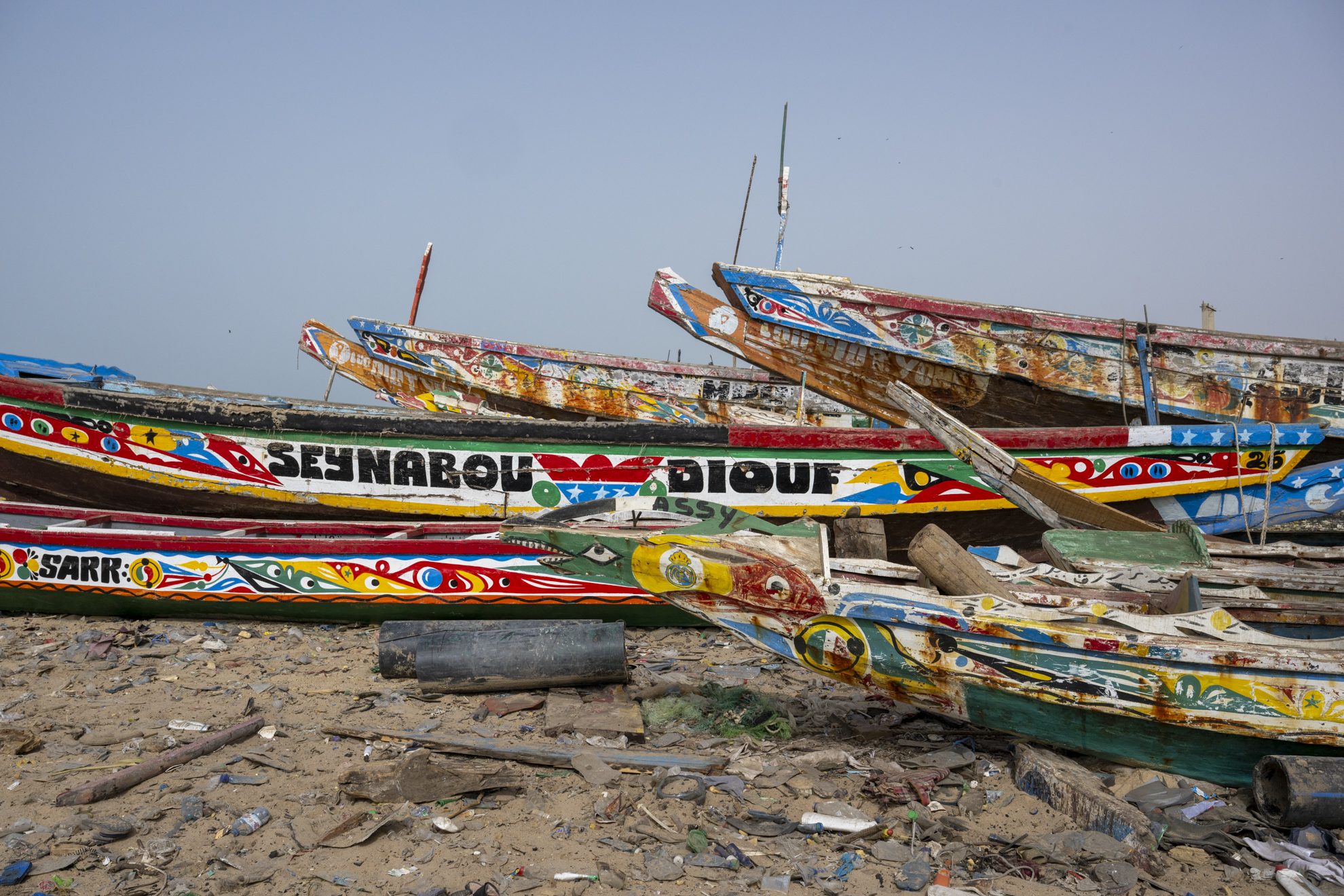
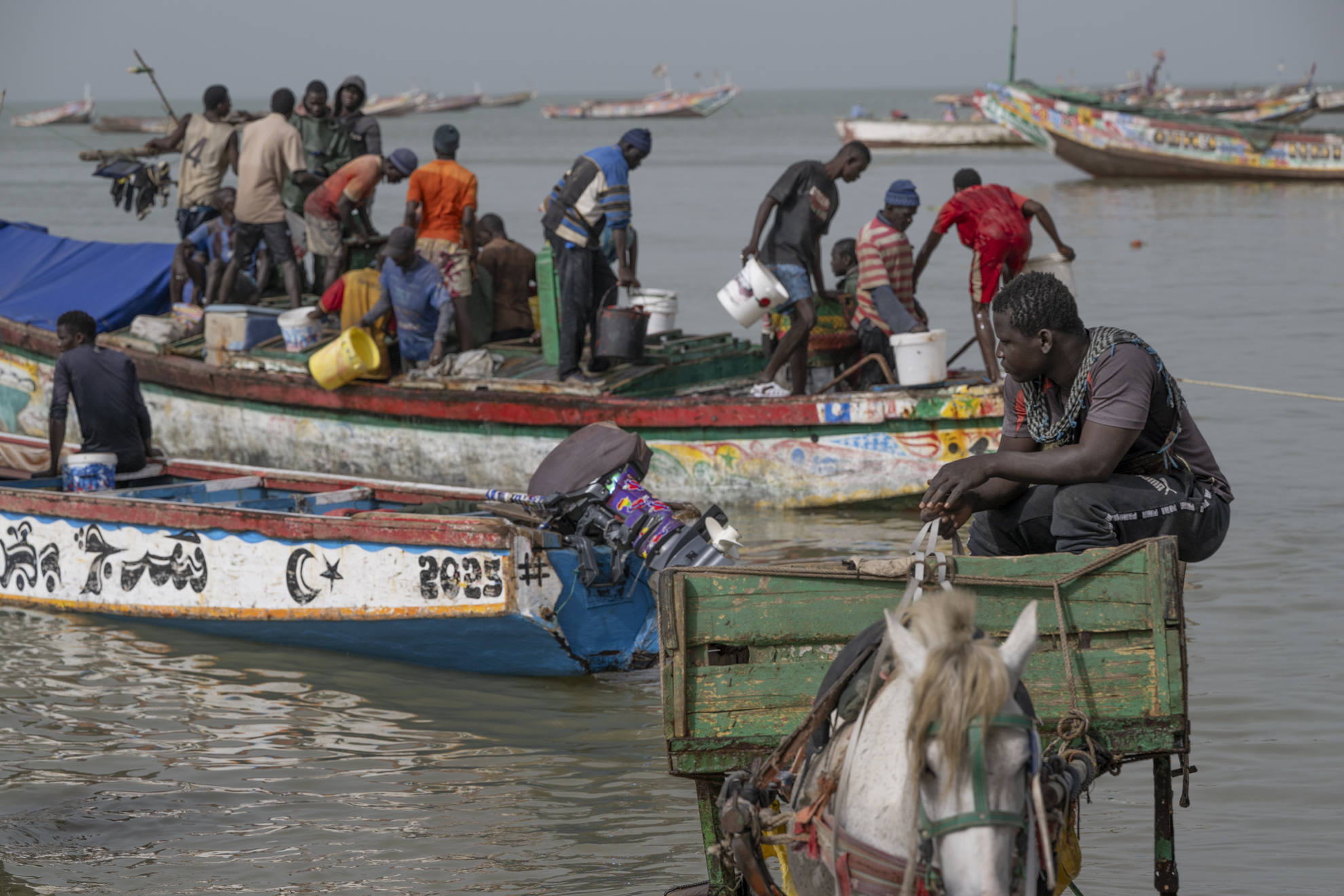
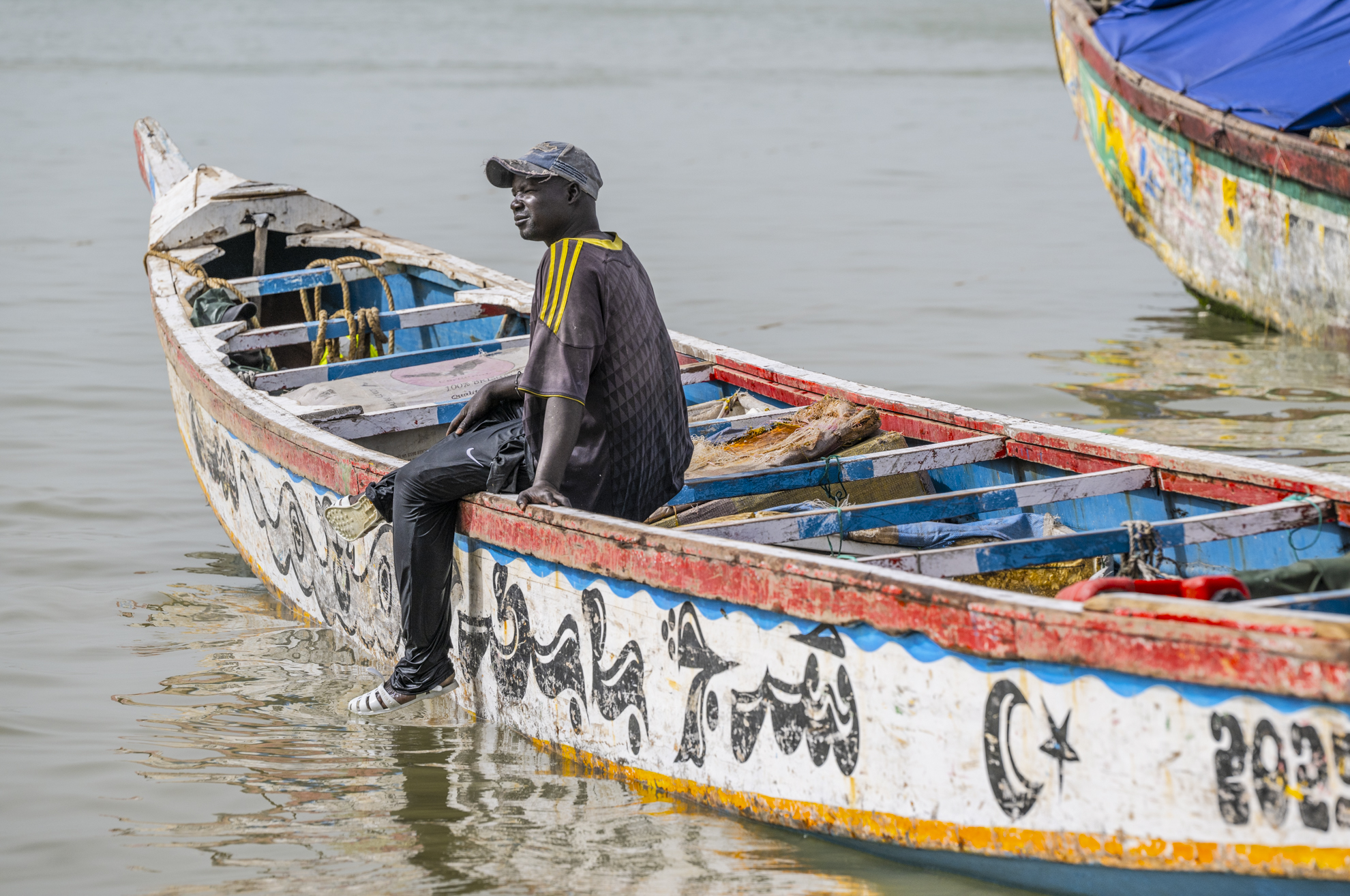
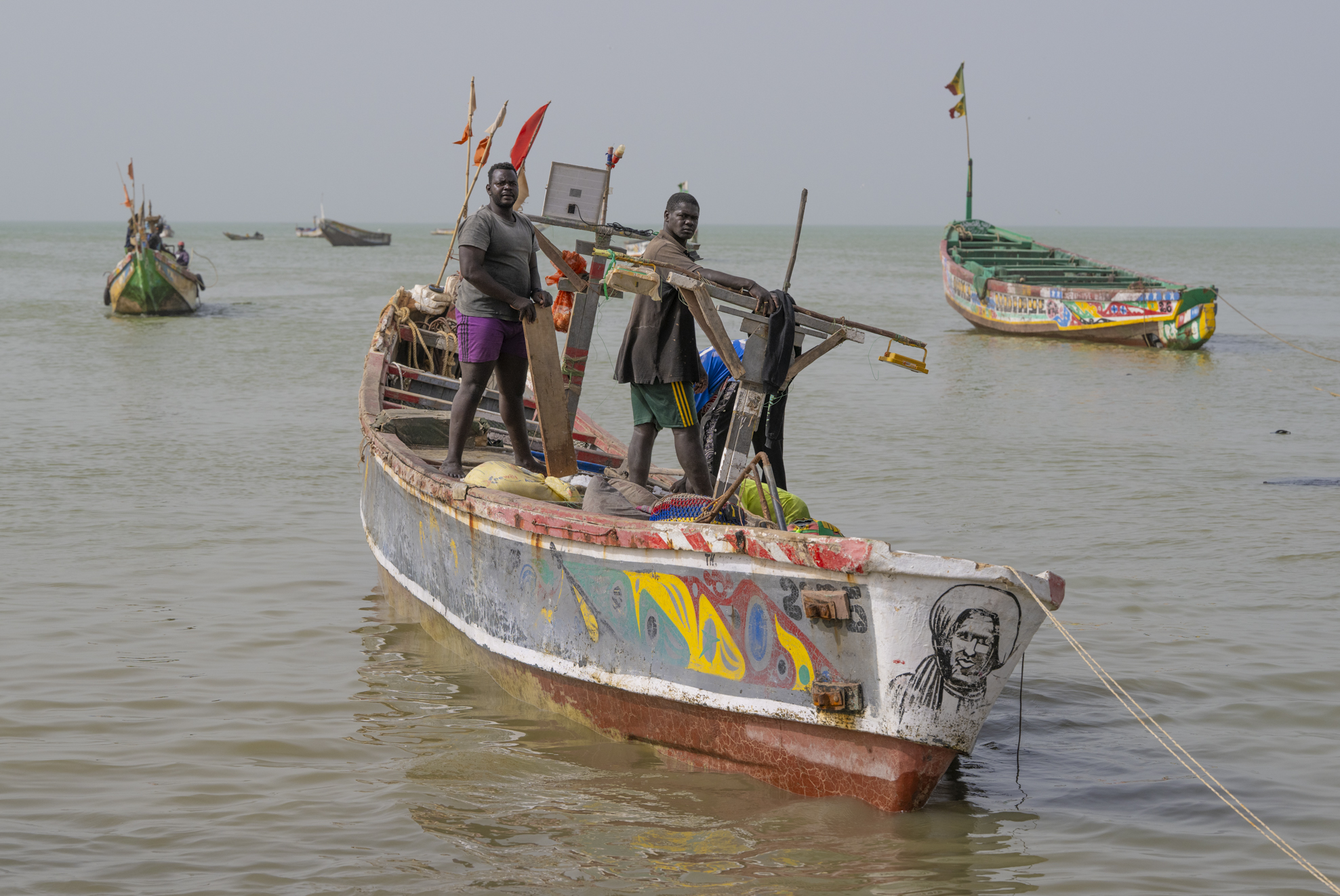
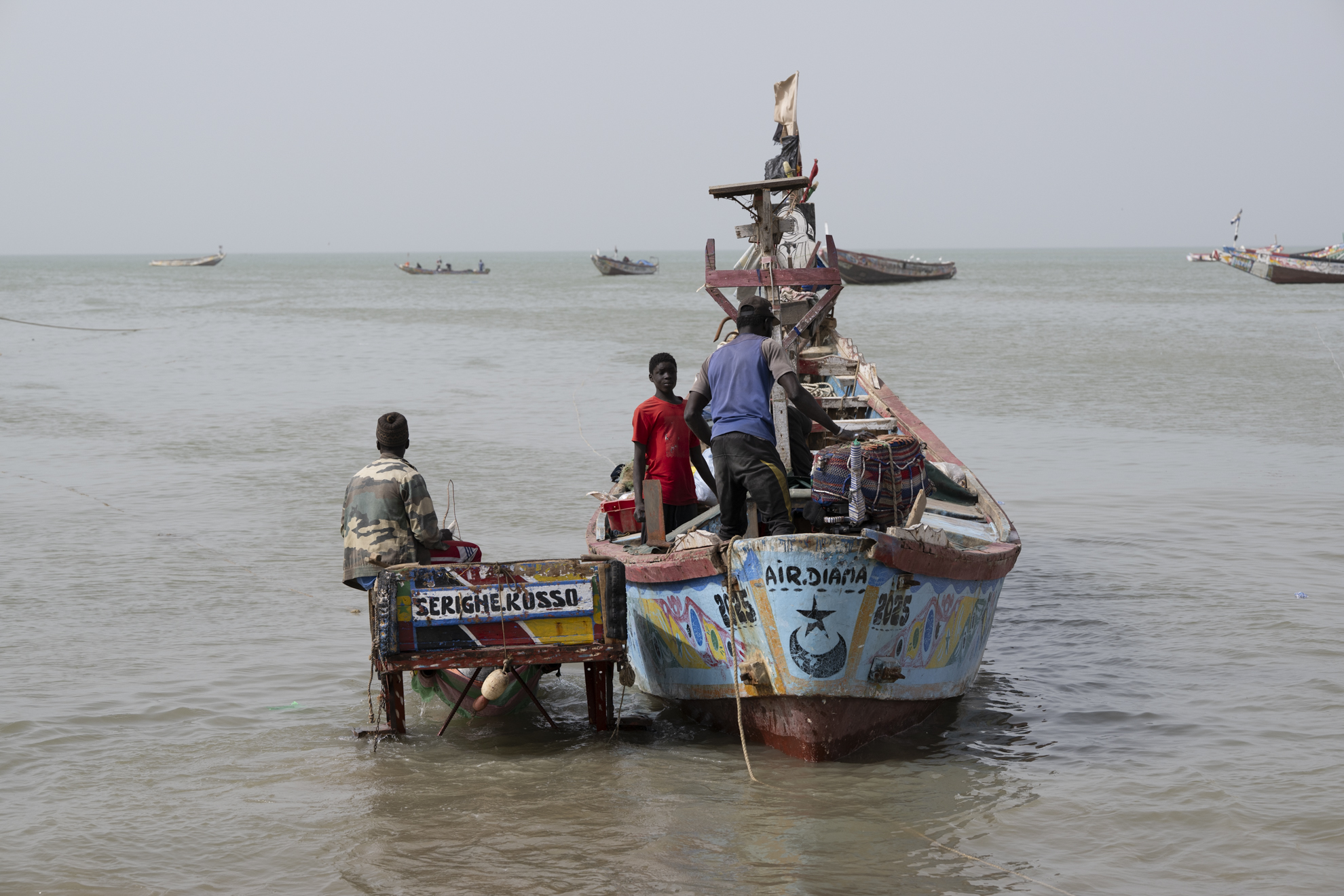
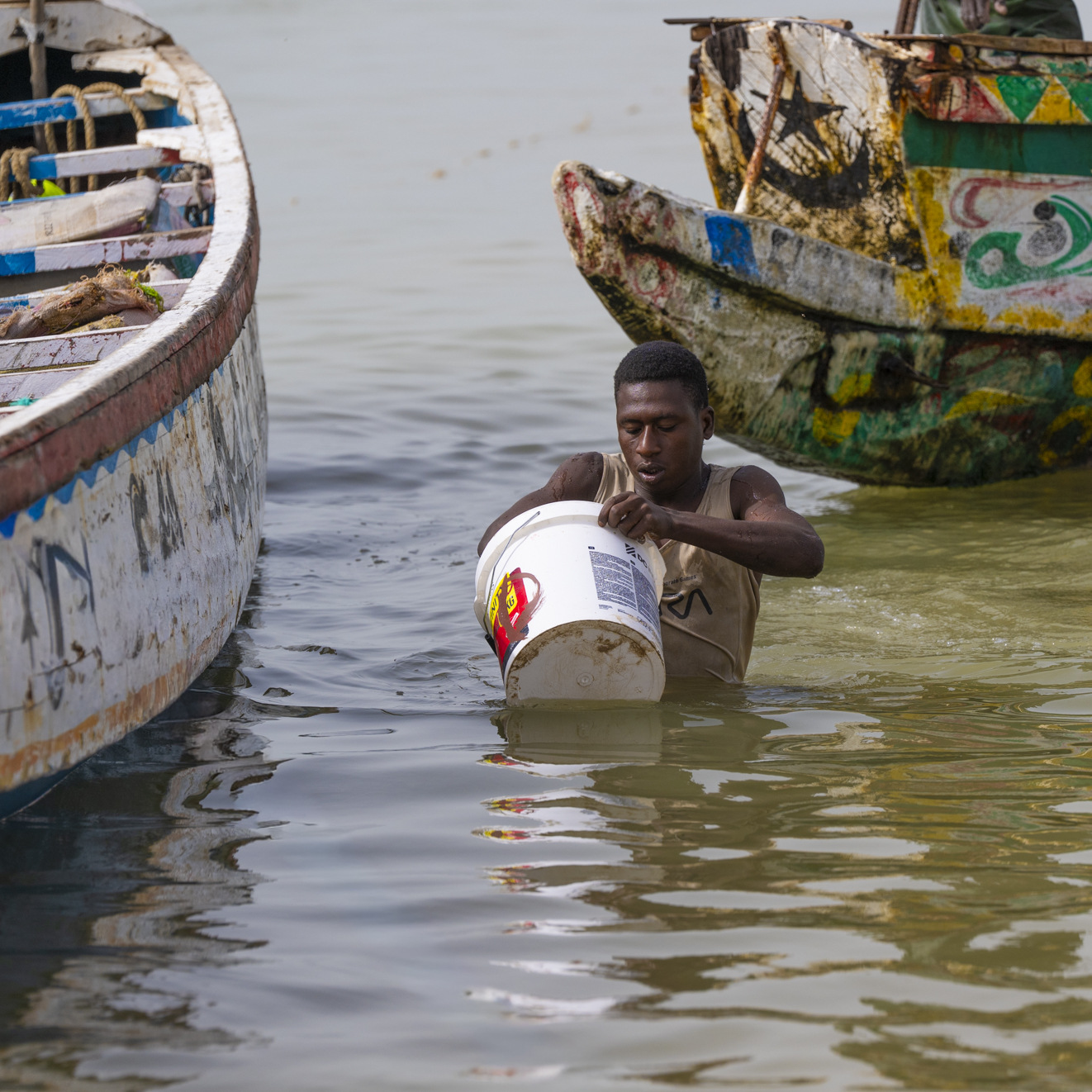
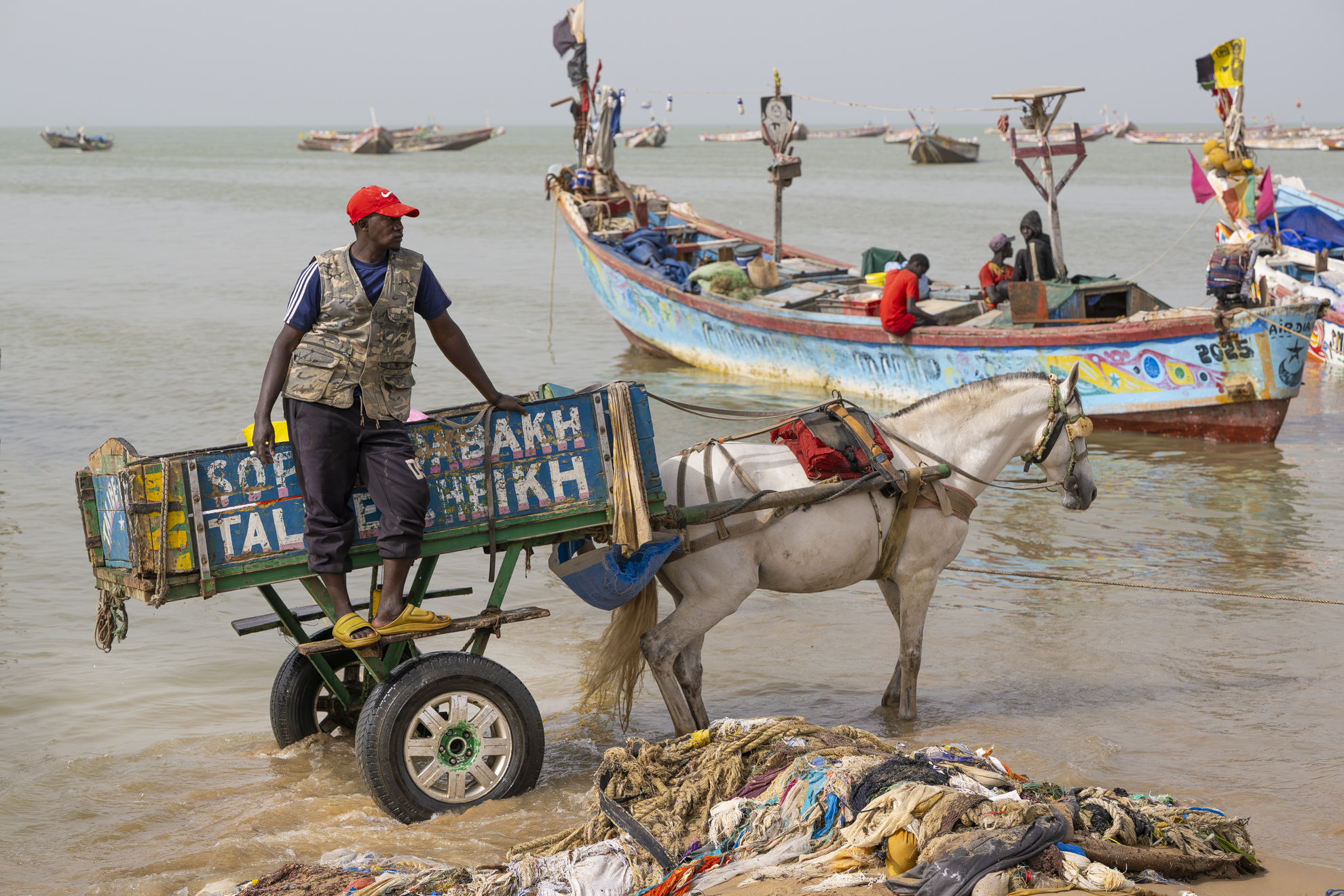
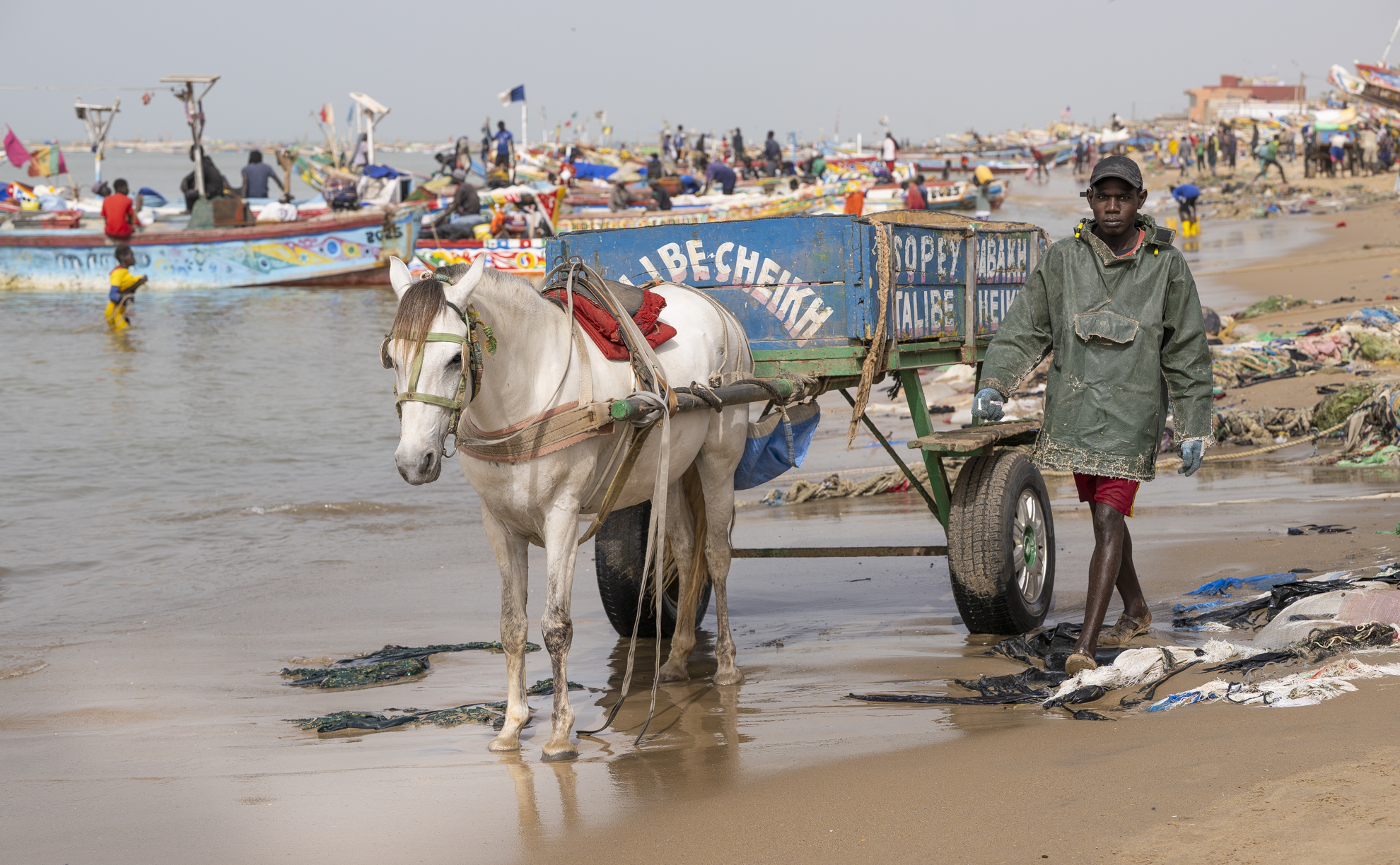
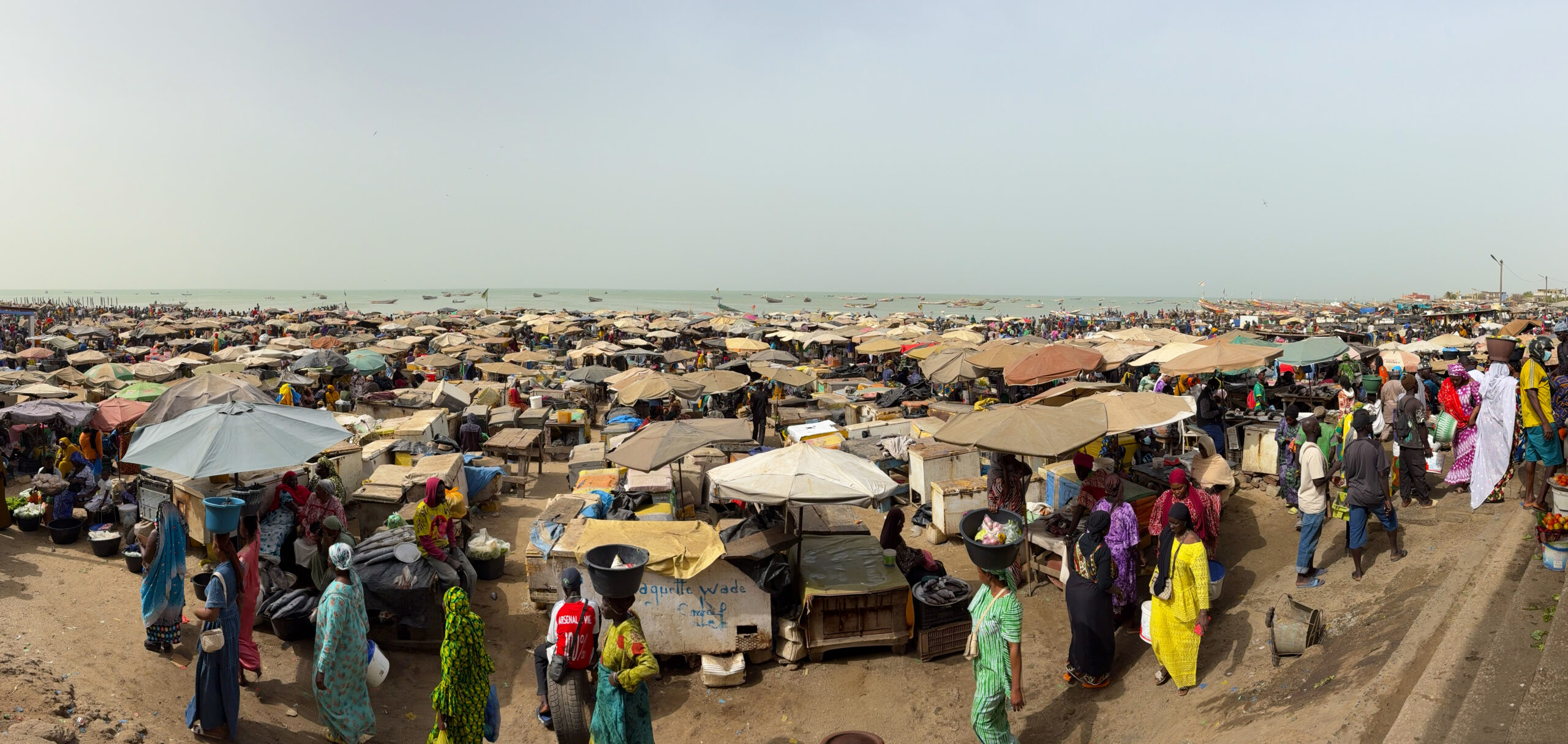
Le retour de pêche à M’Bour est un moment où toute la ville semble converger vers la plage. Au loin, les pirogues colorées apparaissent à l’horizon comme une procession lente, glissant sur l’Atlantique. À mesure qu’elles approchent, l’agitation gagne la rive. Les hommes se préparent déjà à tirer les embarcations sur le sable, pieds nus, dans une chorégraphie parfaitement rodée.
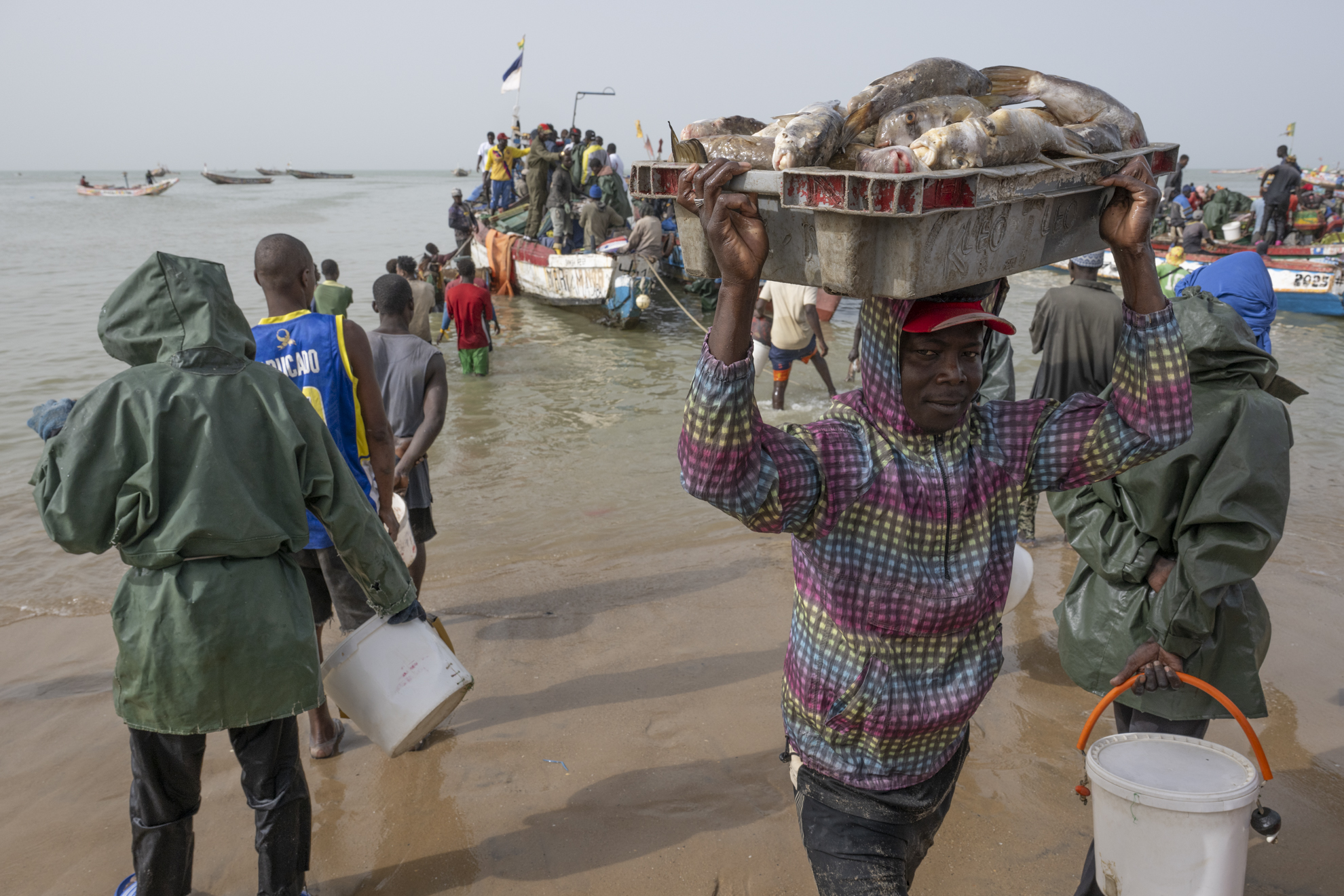
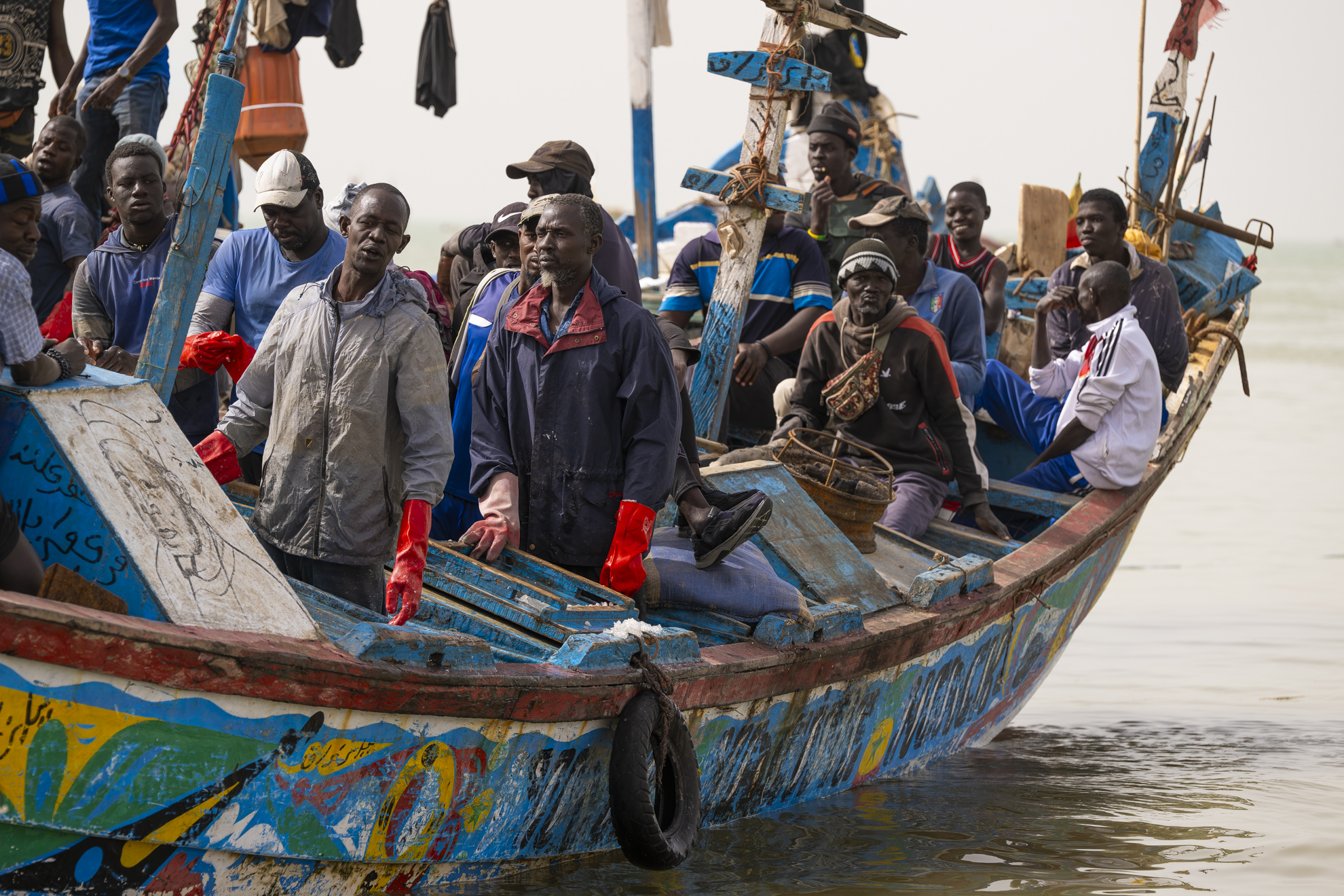
Quand la première pirogue touche terre, la fourmilière s’anime. Des dizaines de bras se tendent pour hisser les filets, porter les bacs, trier les poissons encore frémissants. Les pêcheurs, fatigués mais souriants, racontent la mer d’un geste, d’un regard, d’un éclat de voix.
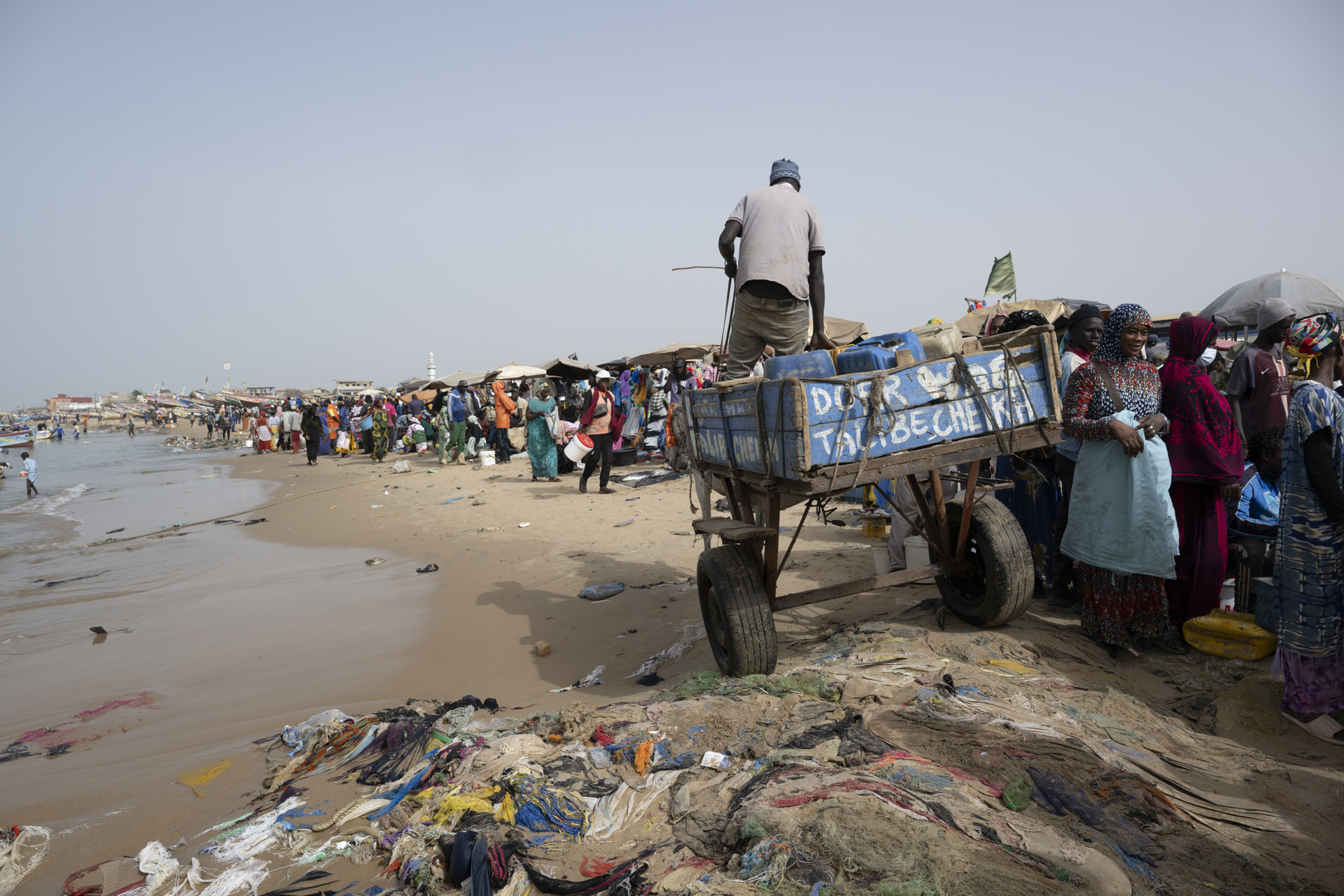
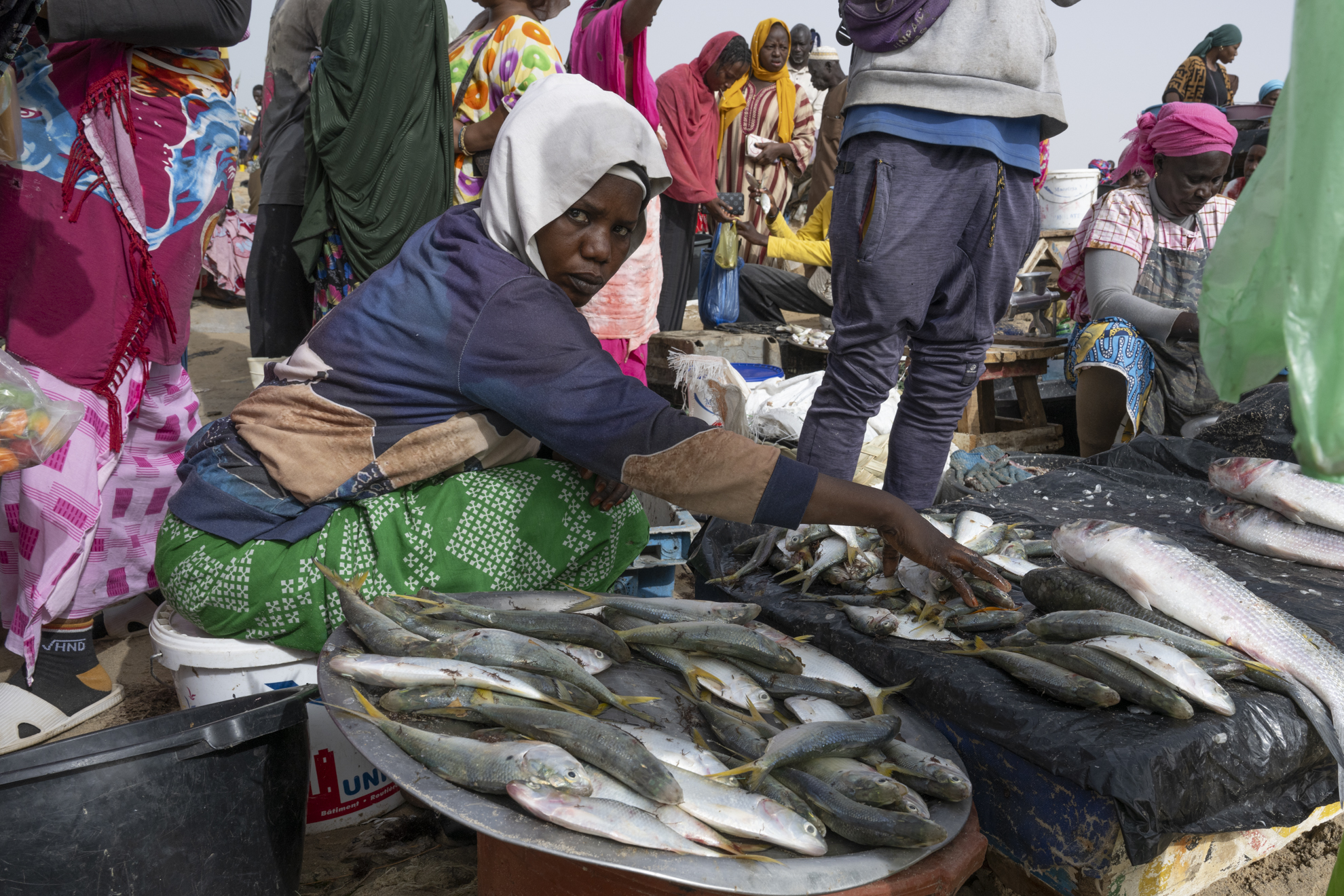
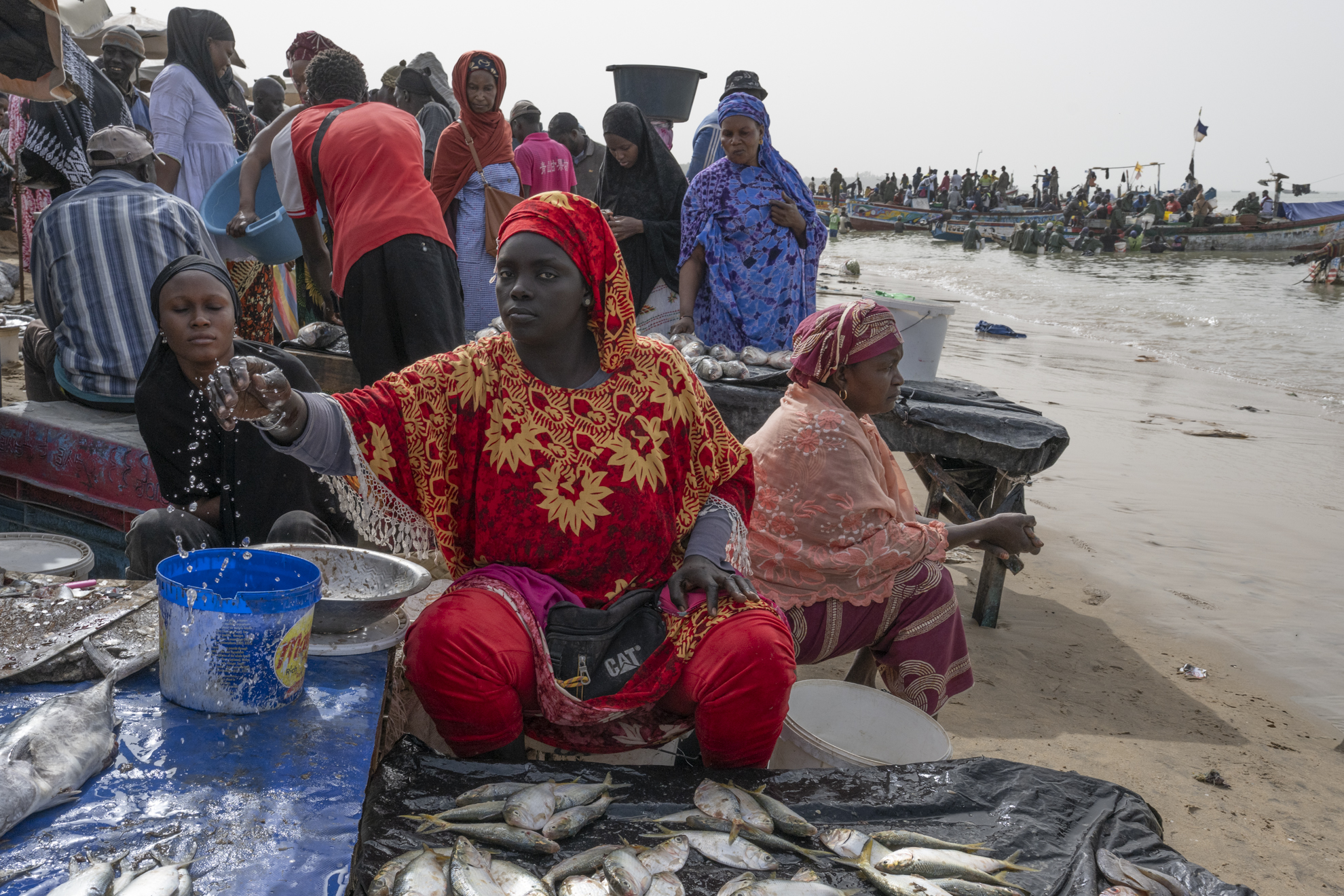
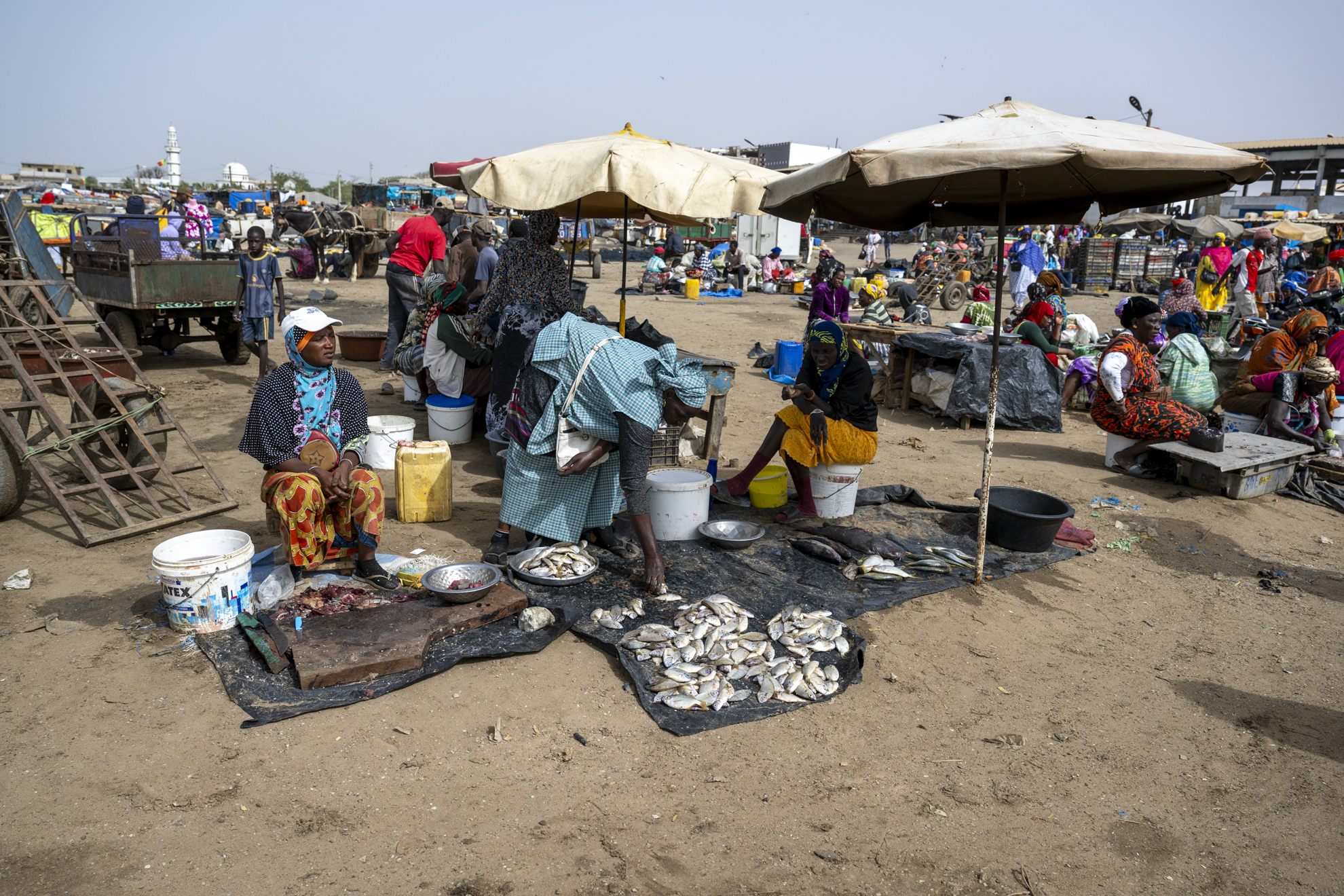
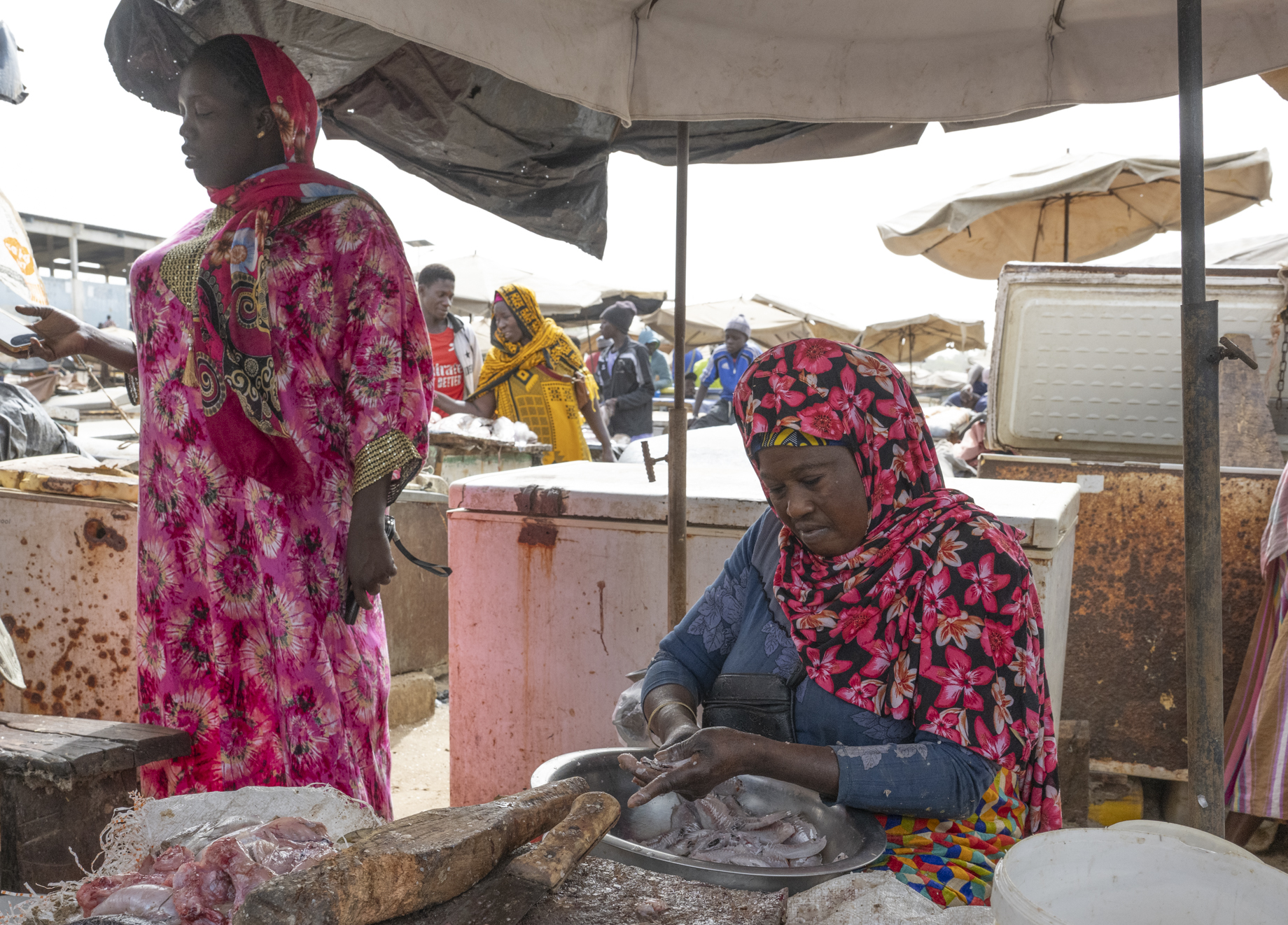
Autour d’eux, les femmes s’affairent. Certaines négocient, d’autres transportent les prises dans de grandes bassines posées sur la tête. Le sable devient un marché vivant où chaque pas, chaque cri, chaque rire participe à un ballet collectif.
The return of the fishing boats in M’Bour is a moment when the whole town seems to converge on the beach. In the distance, the brightly painted pirogues appear on the horizon like a slow procession, gliding across the Atlantic. As they approach, the excitement spreads along the shore. Men are already preparing to pull the boats onto the sand, barefoot, moving in a perfectly rehearsed choreography.
When the first pirogue touches land, the anthill suddenly comes alive. Dozens of arms reach out to haul in the nets, carry the crates, and sort the fish still shimmering with life. The fishermen, tired but smiling, speak of the sea with a gesture, a glance, a burst of laughter.
Around them, the women are busy. Some negotiate prices, others carry the catch in large basins balanced on their heads. The sand becomes a living market where every step, every call, every laugh takes part in a collective ballet.
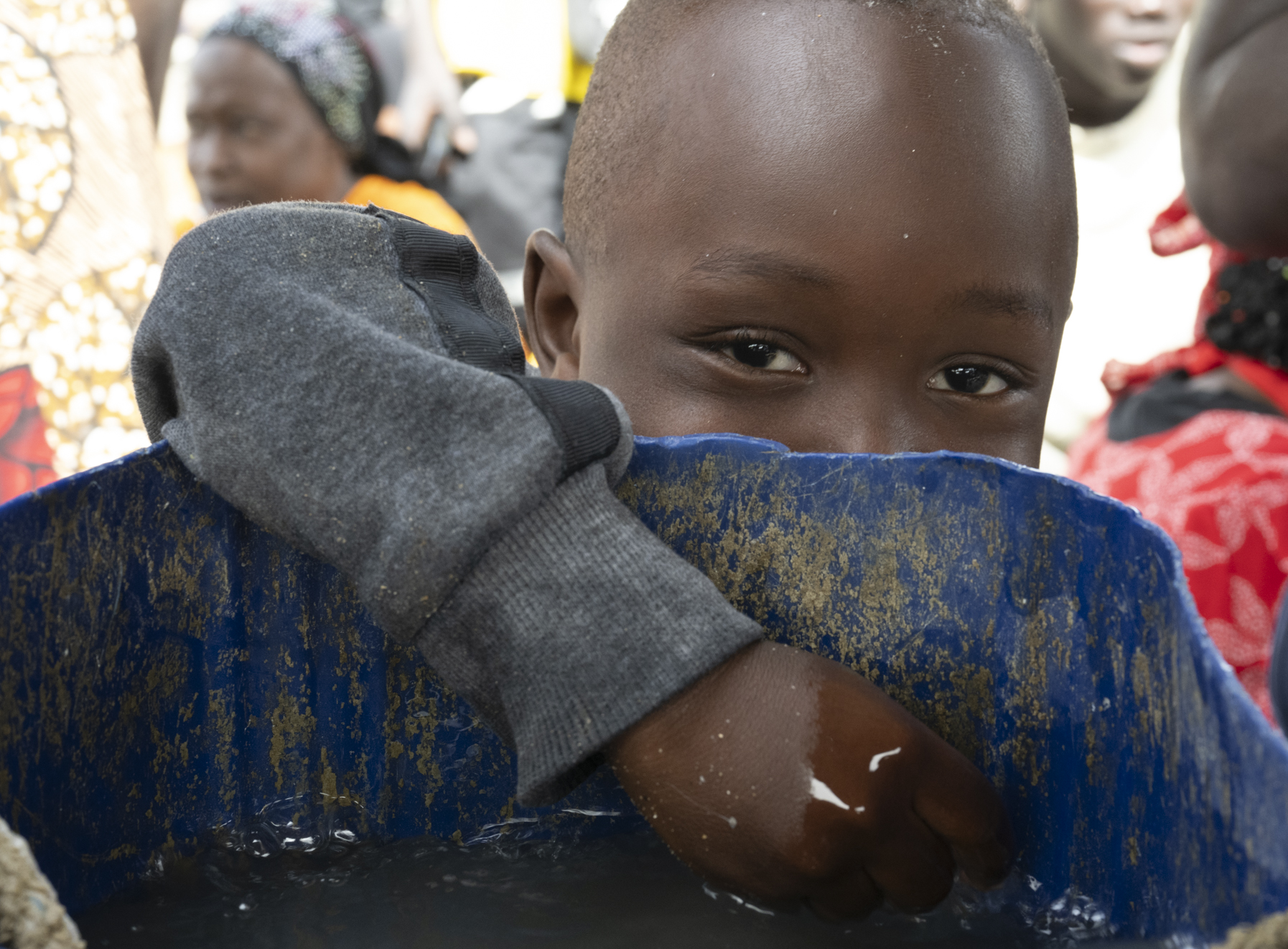
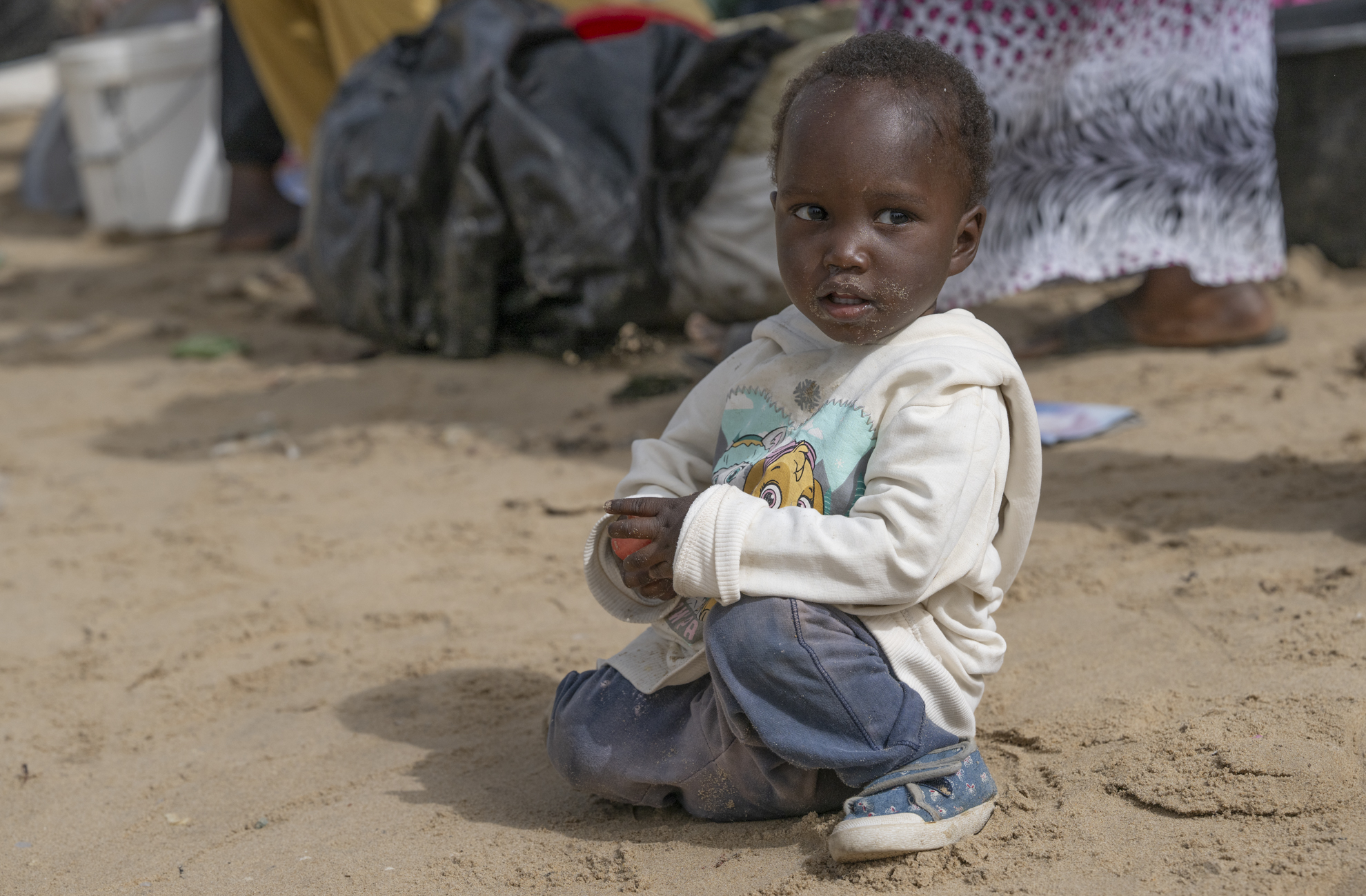
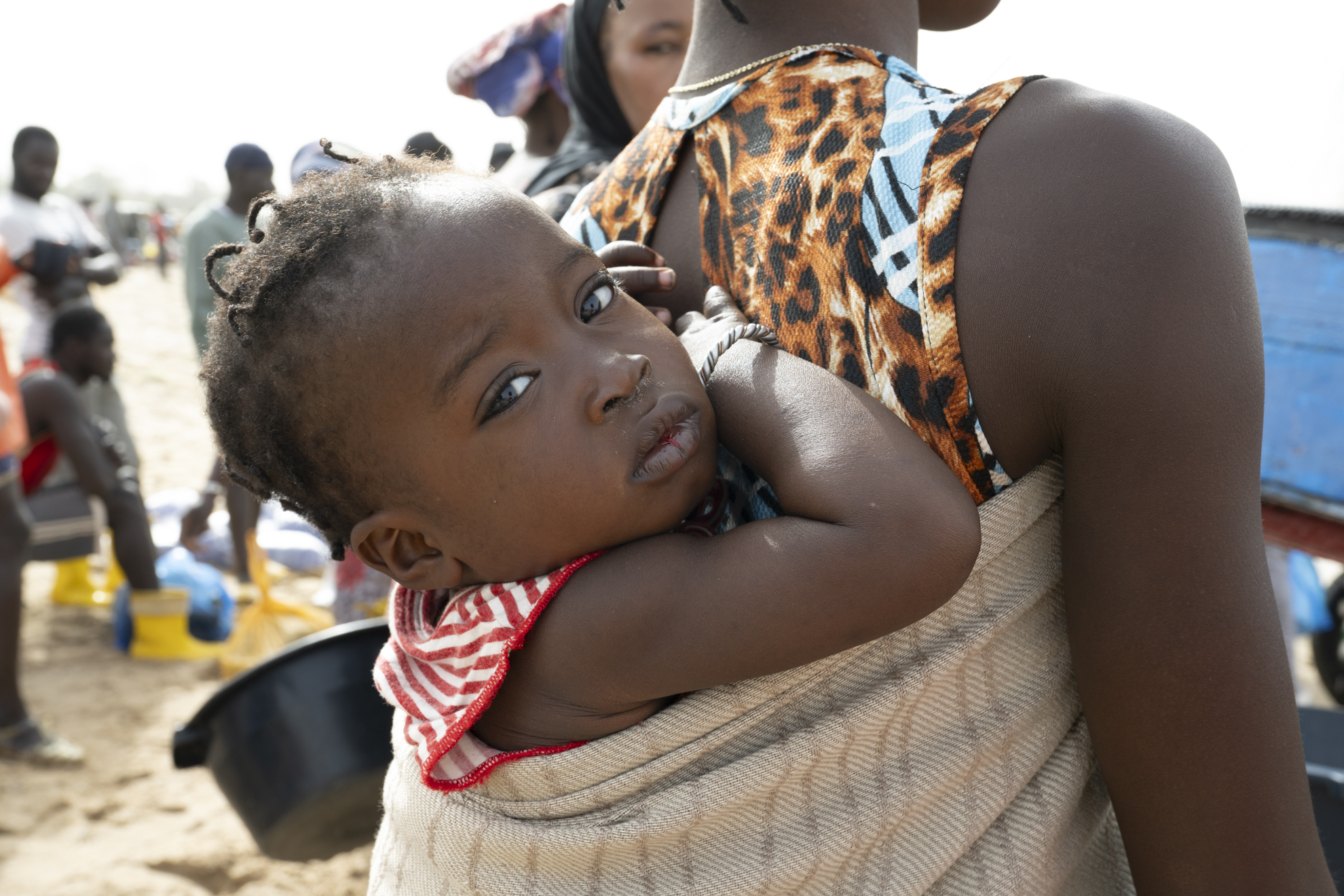
Les enfants courent entre les adultes, curieux et déjà apprentis de la mer. Les odeurs de sel, de poisson et de fumée se mêlent dans l’air chaud.
Ici, la pêche n’est pas seulement un travail. C’est un lien puissant qui rassemble familles, voisins et commerçants. Une économie entière se met en mouvement en quelques minutes.
Dans cette agitation, chacun trouve sa place. La plage devient alors un immense cœur battant, rythmé par l’arrivée des pirogues. À M’Bour, le retour de pêche est bien plus qu’un débarquement : c’est un moment de vie partagé, intense et profondément humain.
Chaque jour, ce ballet alimente aussi une activité essentielle pour la région. La production annuelle de la pêche y atteint environ 80 000 tonnes en 2024, témoignant de l’importance économique et sociale de cette mer qui fait vivre toute une communauté.
Children run between the adults, curious and already apprentices of the sea. The smells of salt, fish, and smoke mingle in the warm air.
Here, fishing is not only a job. It is a powerful bond that brings together families, neighbors, and traders. An entire economy begins to move within a matter of minutes.
In this constant movement, everyone finds their place. The beach becomes a great beating heart, pulsing with the arrival of the pirogues. In M’Bour, the return from fishing is far more than a landing — it is a shared moment of life, intense and deeply human.
Every day, this lively scene also sustains a vital economic activity. The annual fishing production in the region reaches about 80,000 tons in 2024, reflecting the economic and social importance of the sea that supports an entire community.
@ Copyright - Luc Mairesse
Toute reproduction interdite sans accord de l'auteur