BANGLADESH
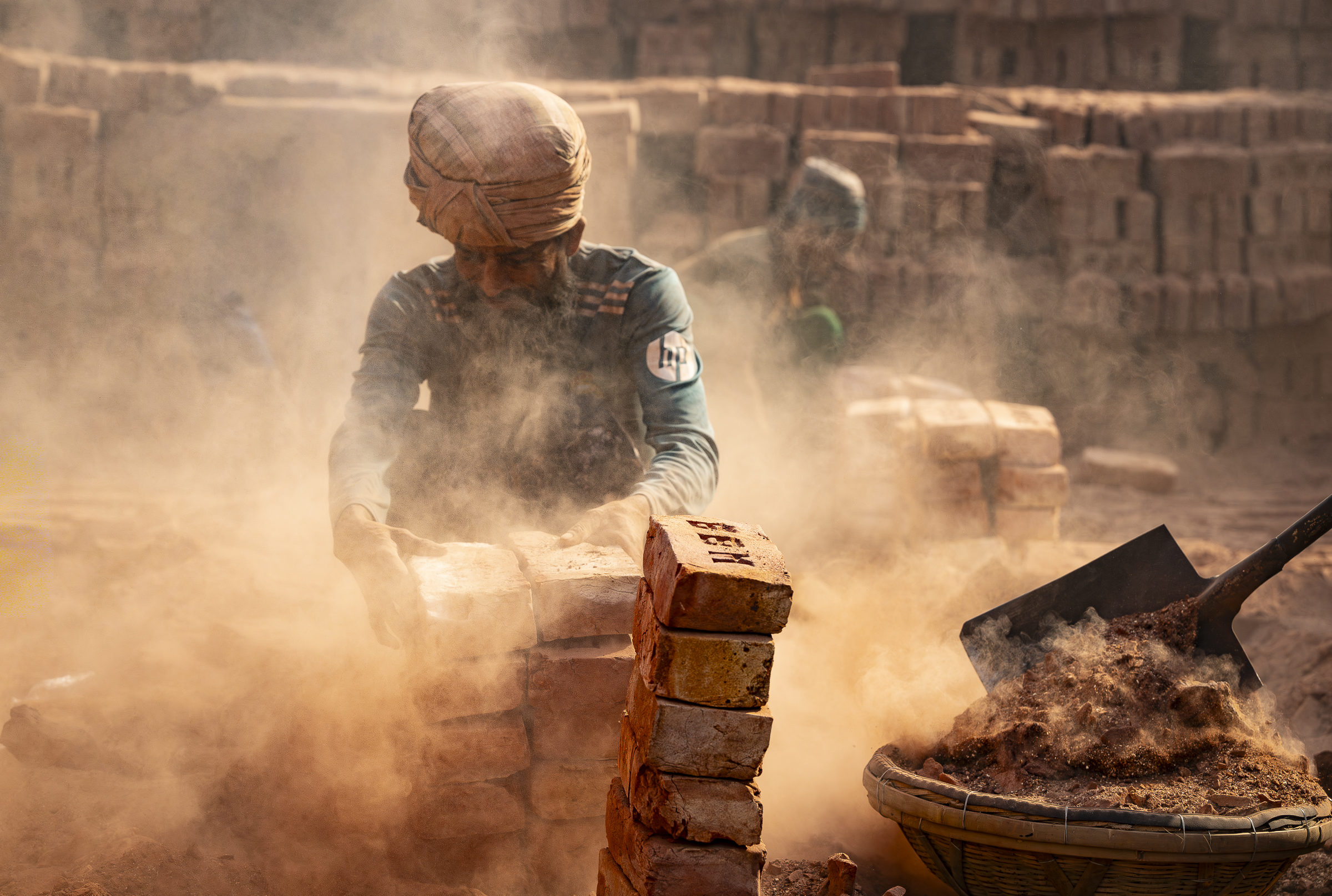
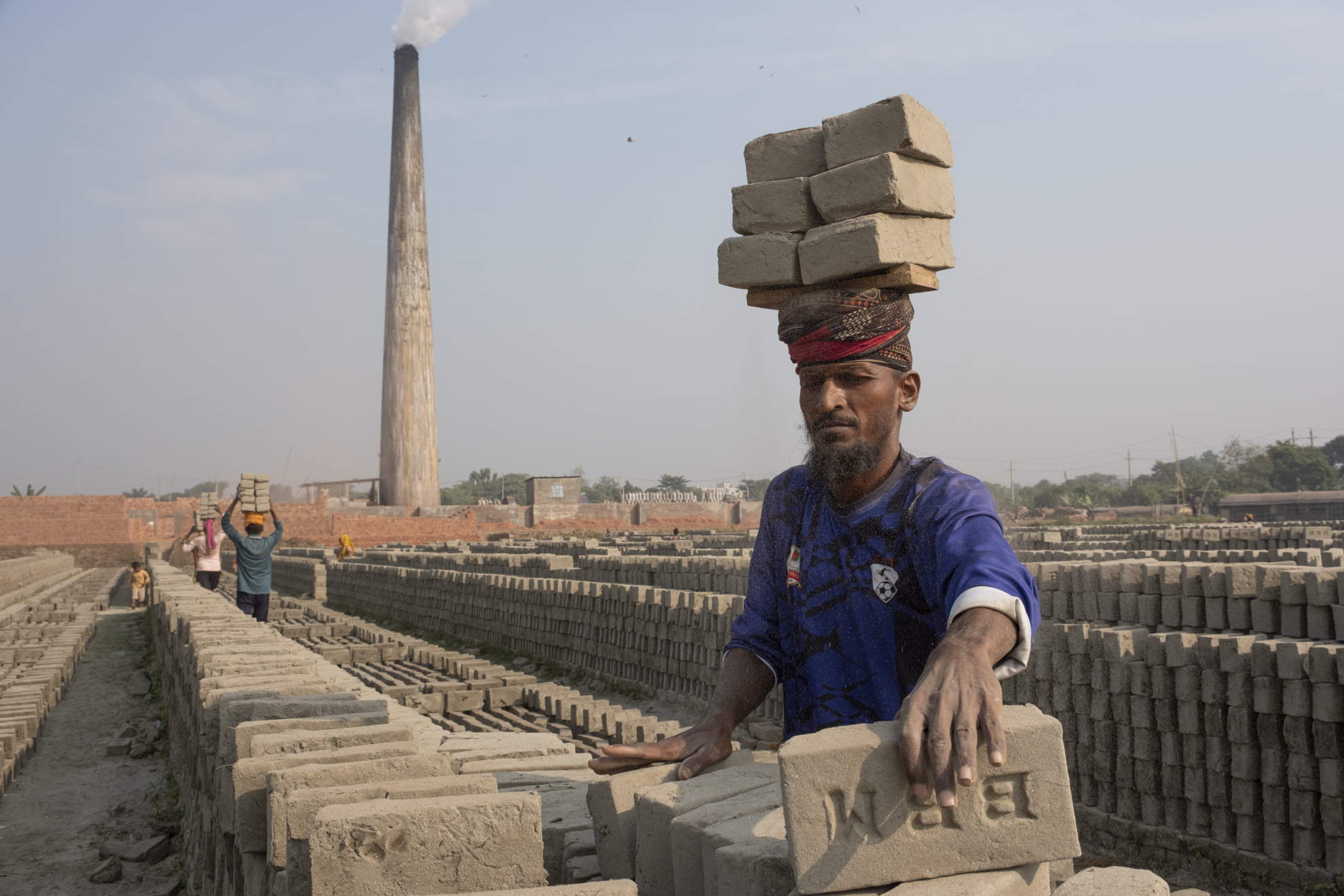
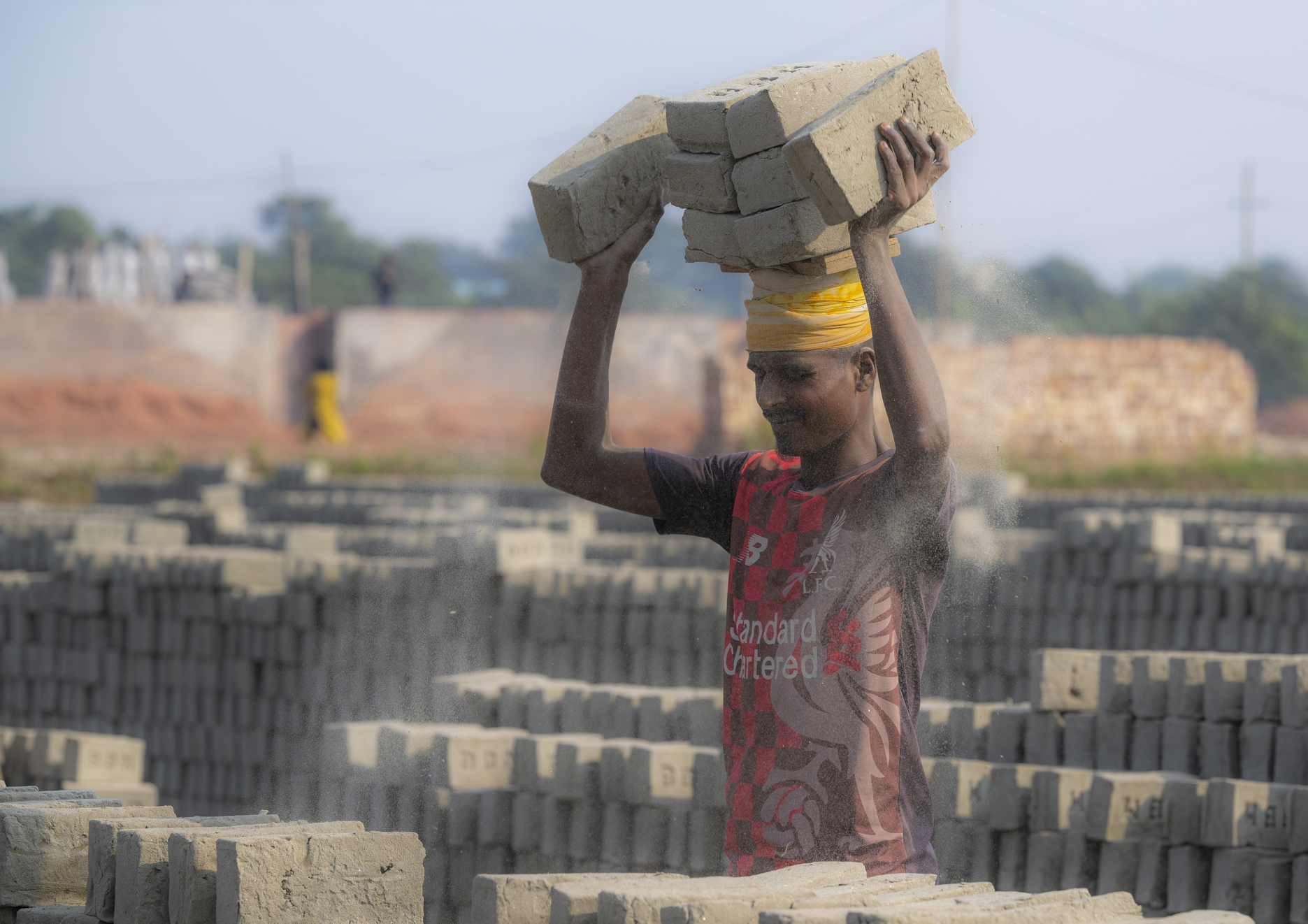
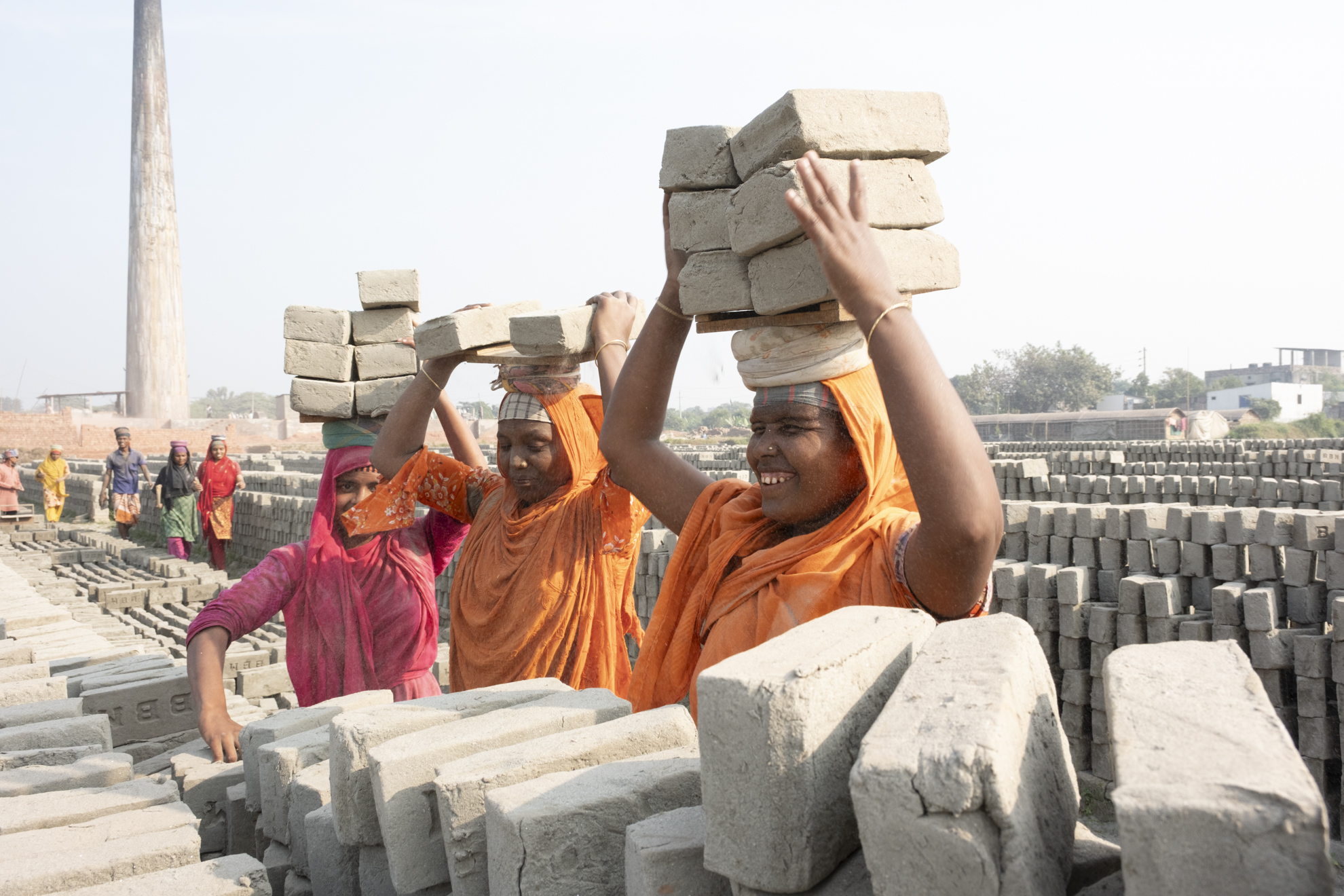
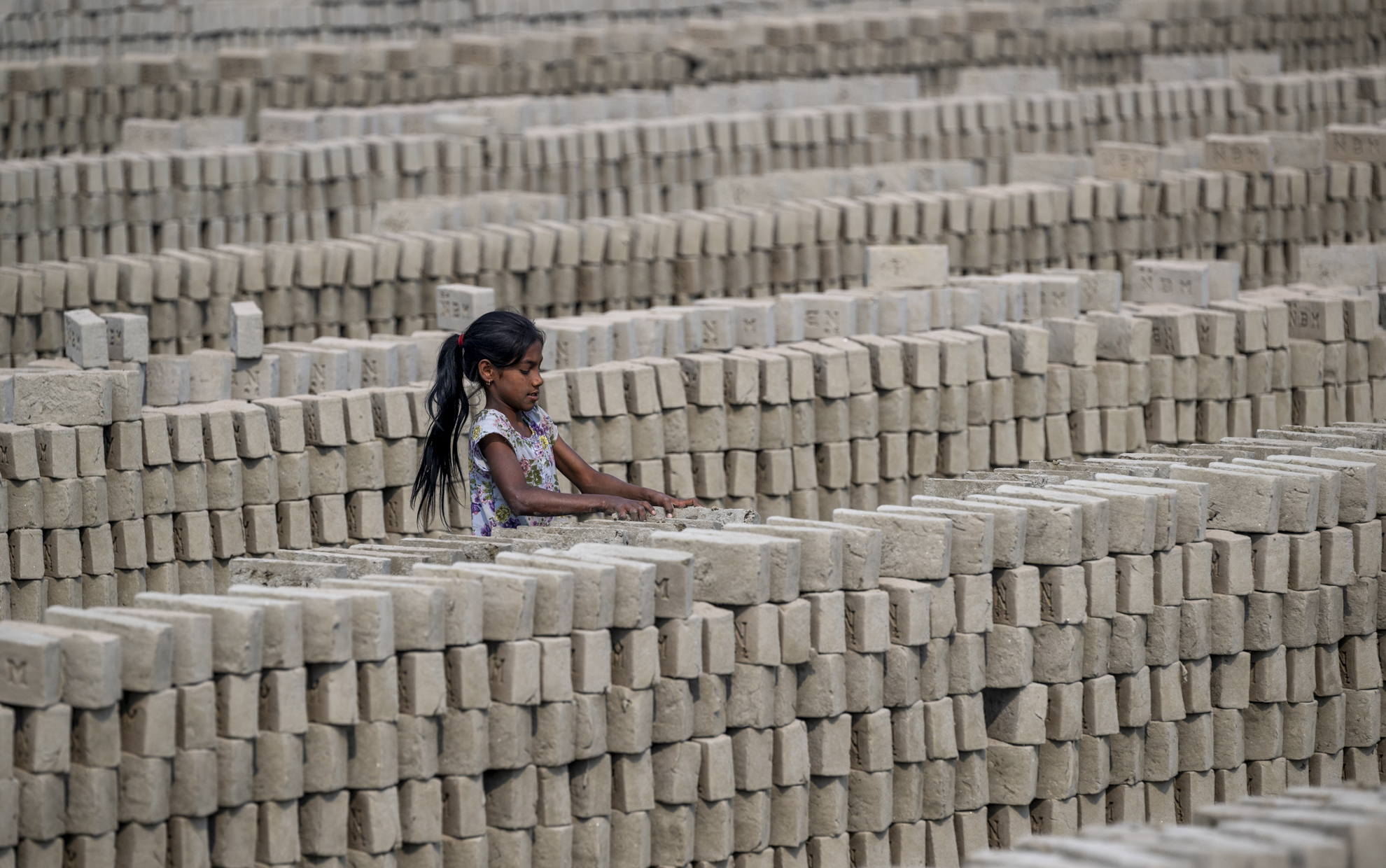
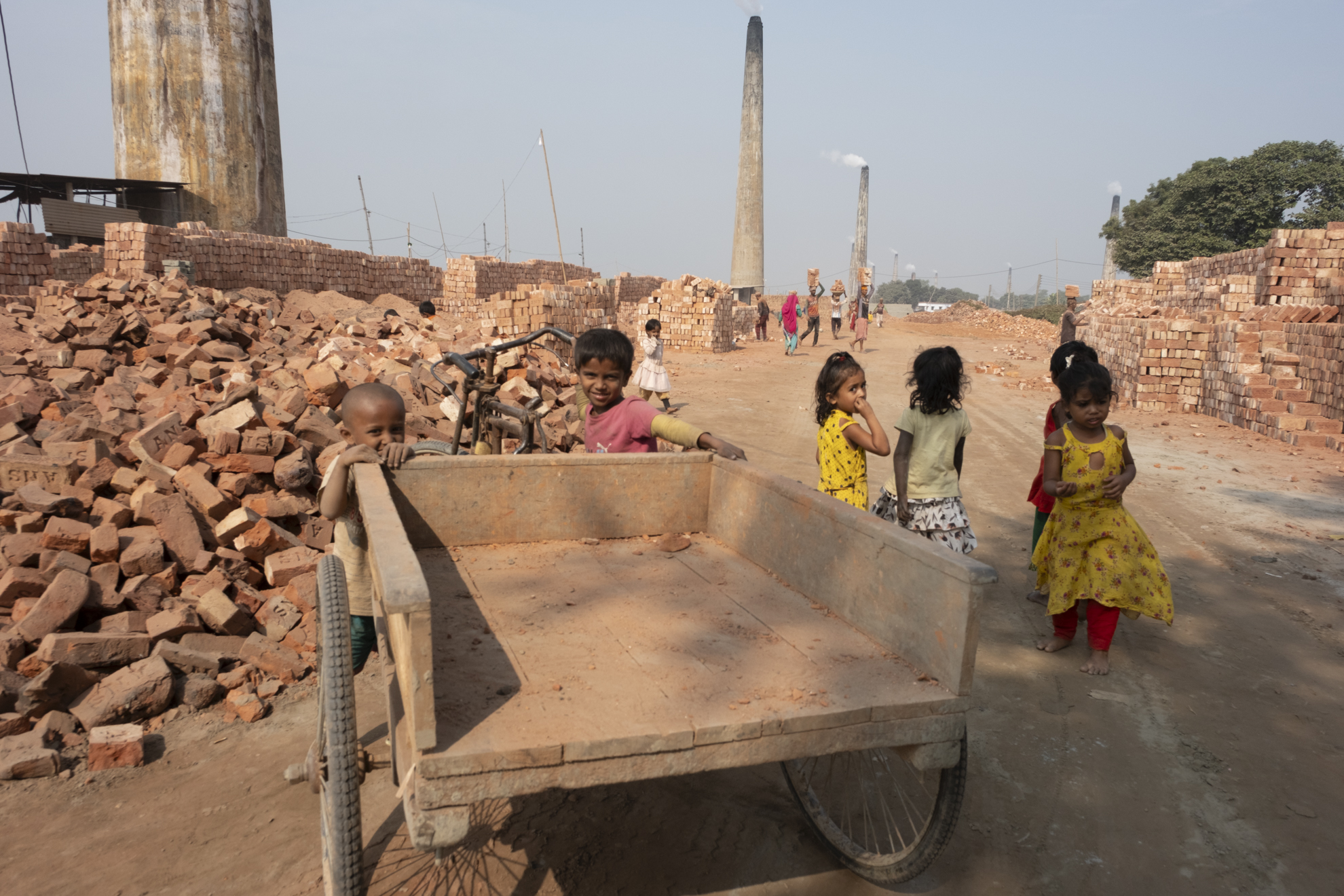
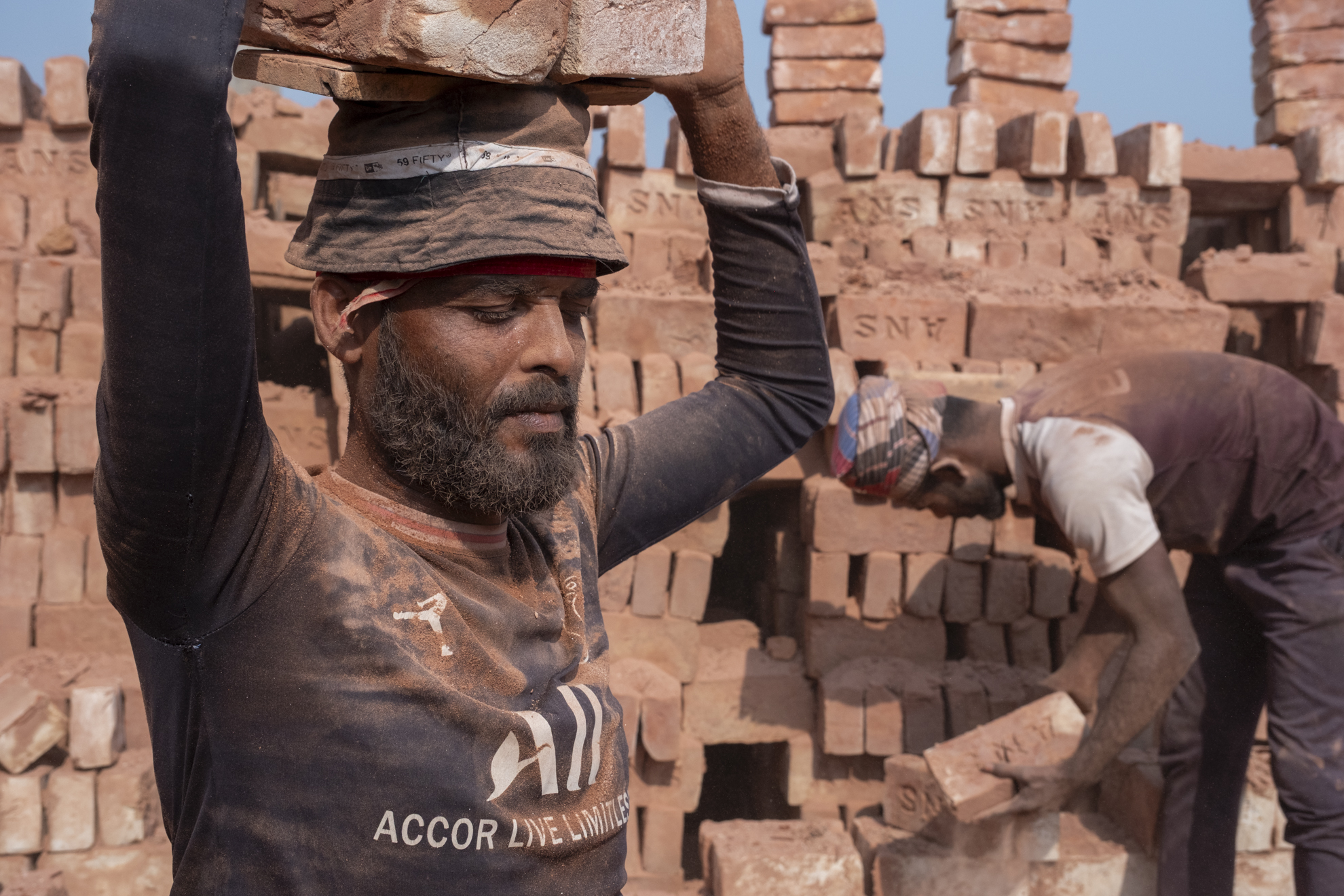
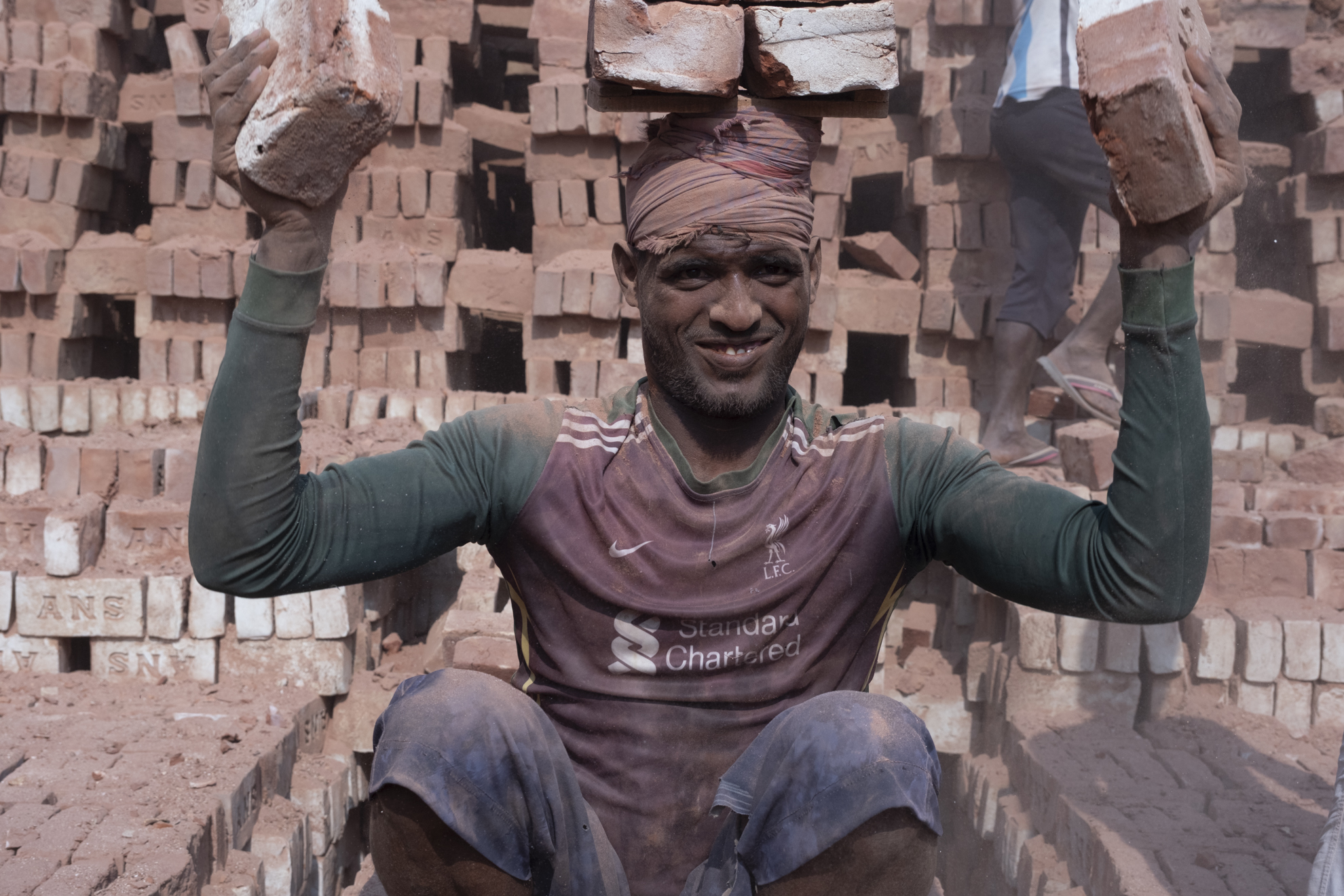
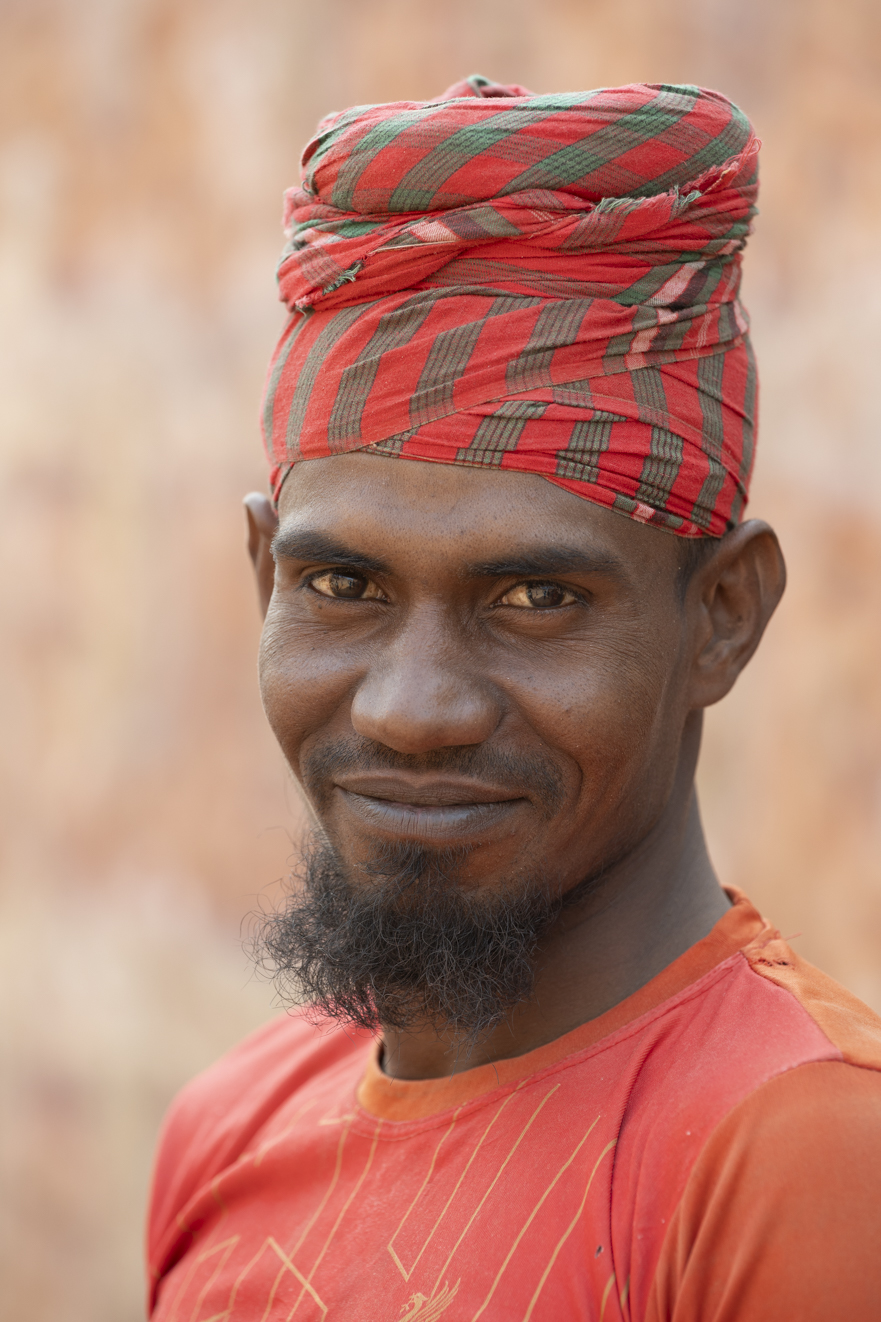
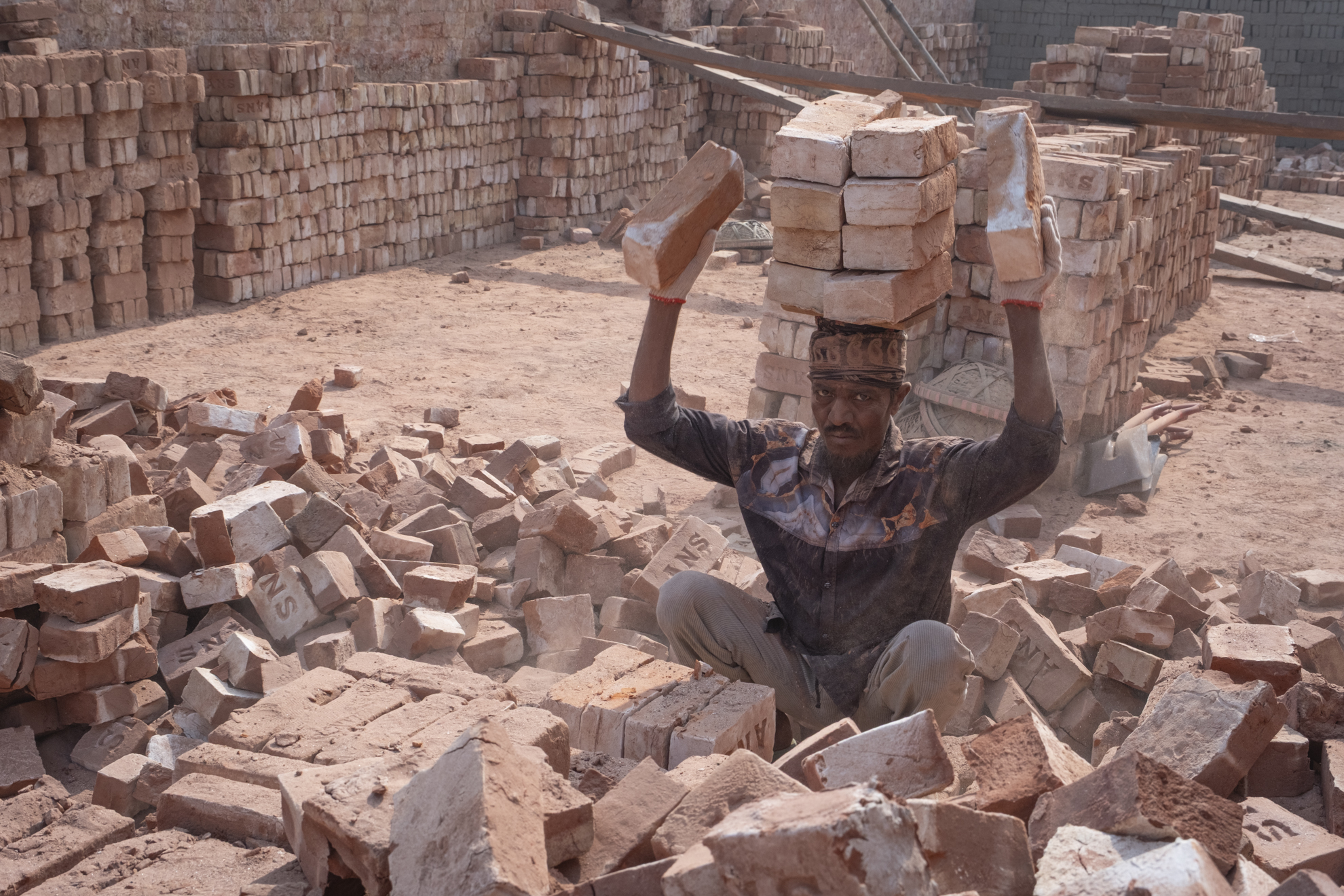
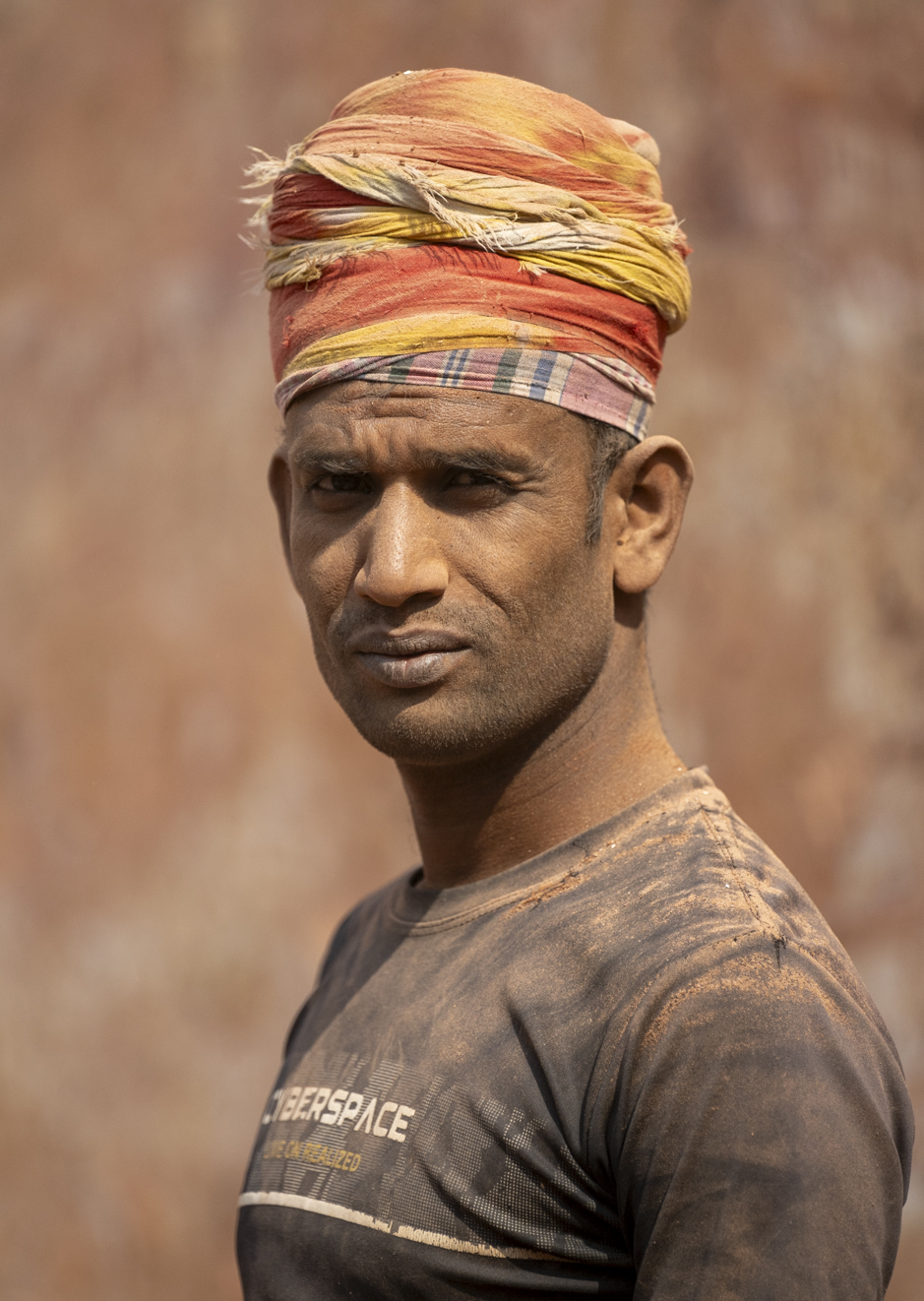
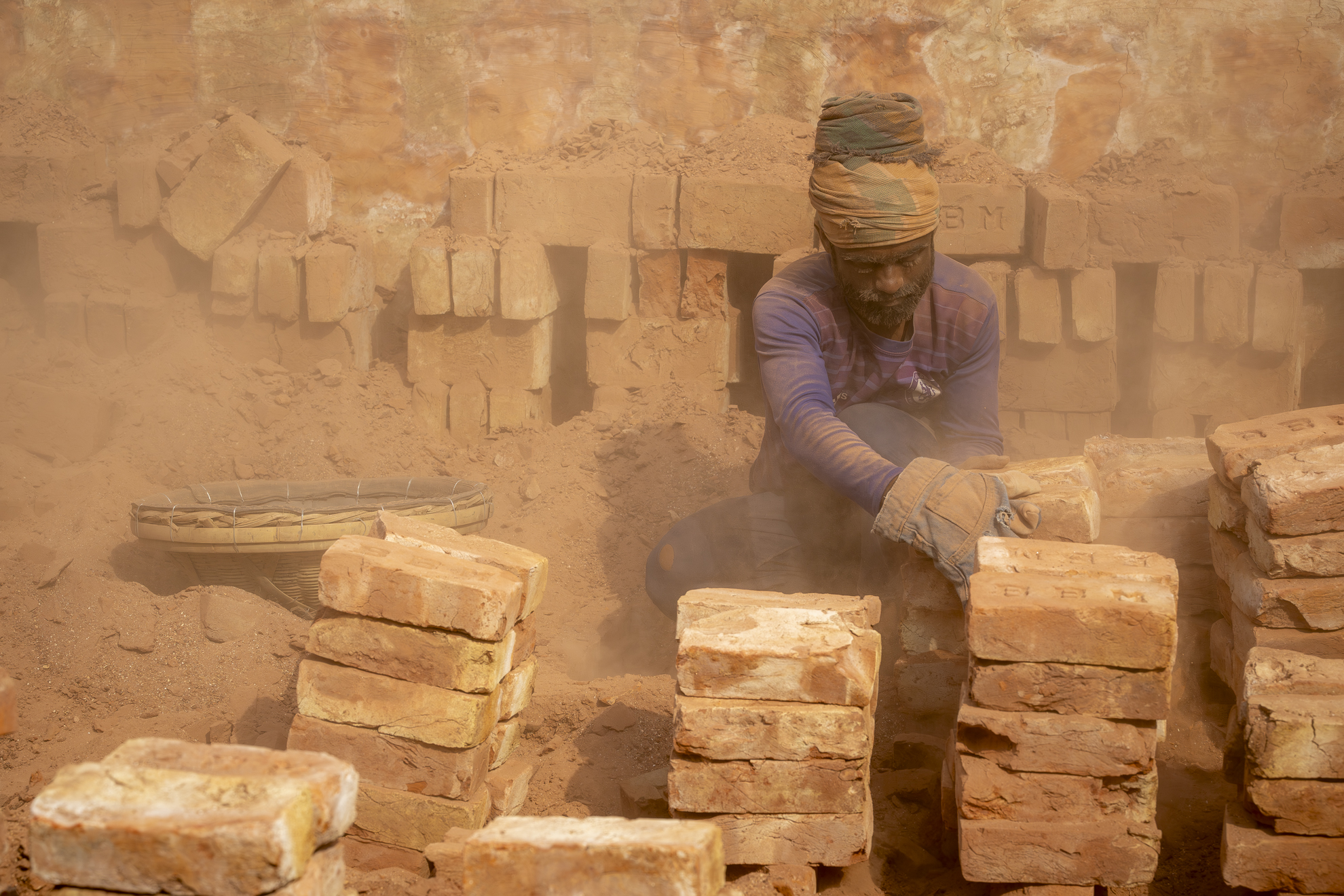
Brick manufacturing is an important industry in Bangladesh, employing around one million people and accounting for (1%) of GDP. The industry is dominated by artisanal methods using traditional kilns. The process involves mixing earth and water, molding the bricks by hand, drying them in the sun, and then firing them in kilns.
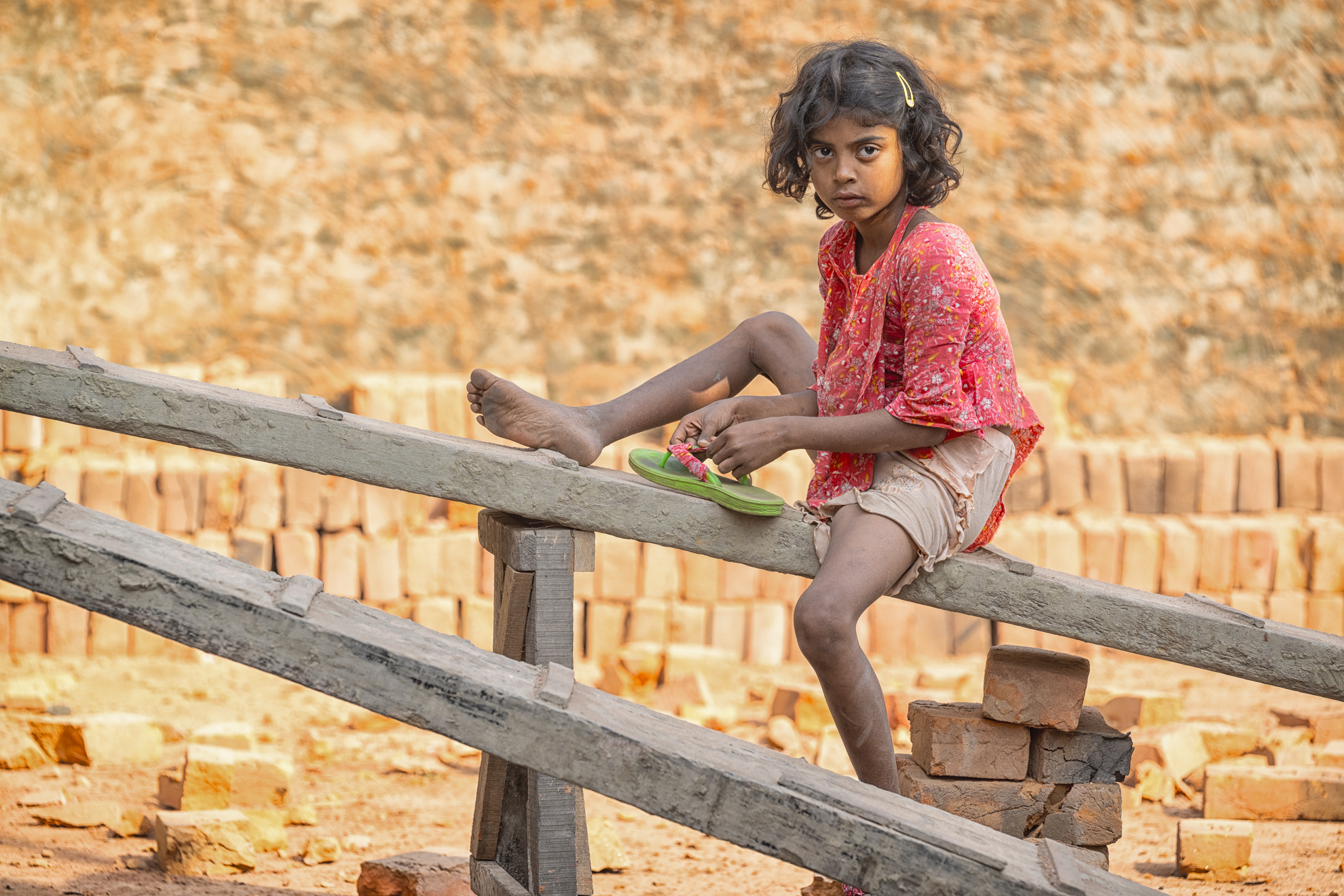
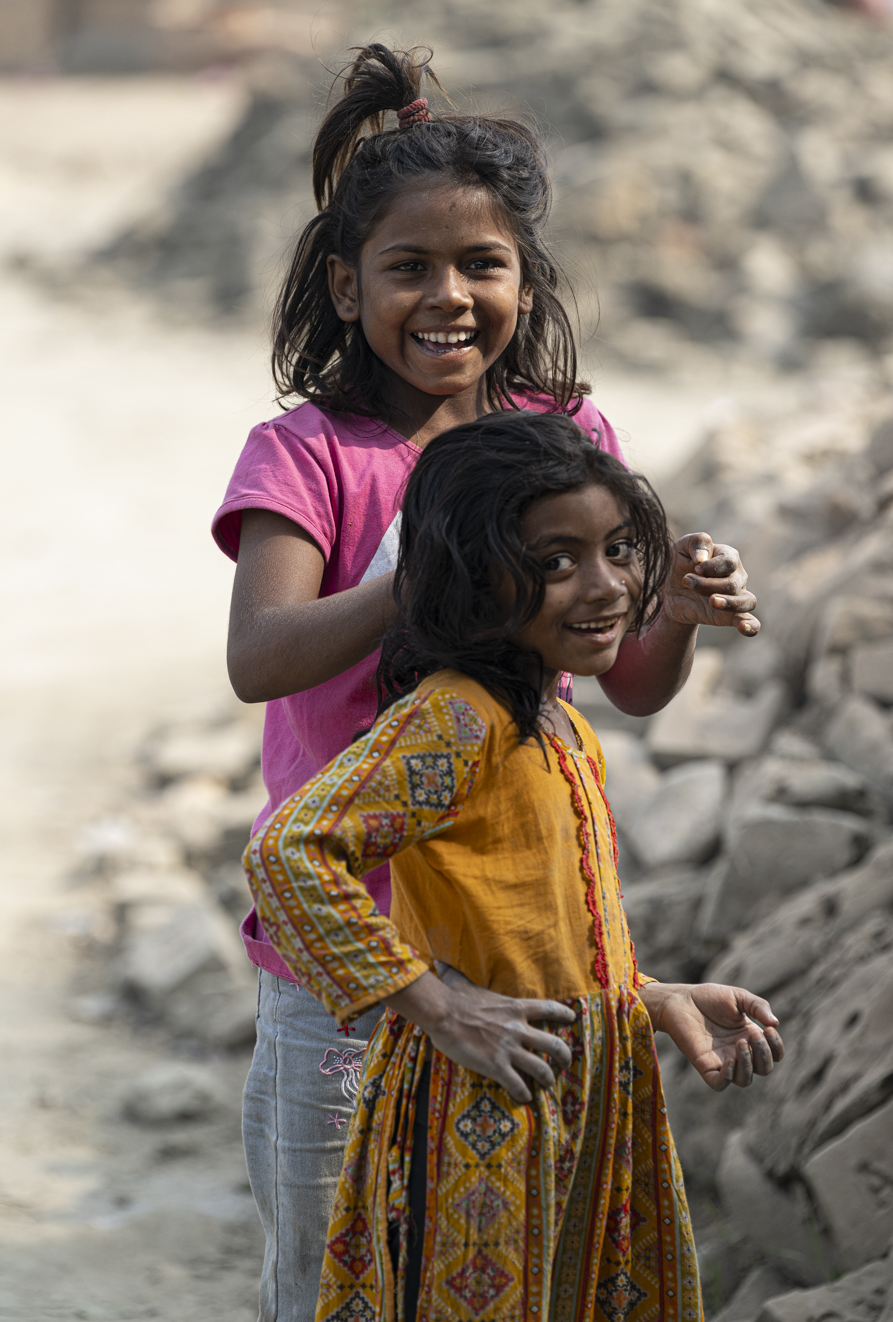
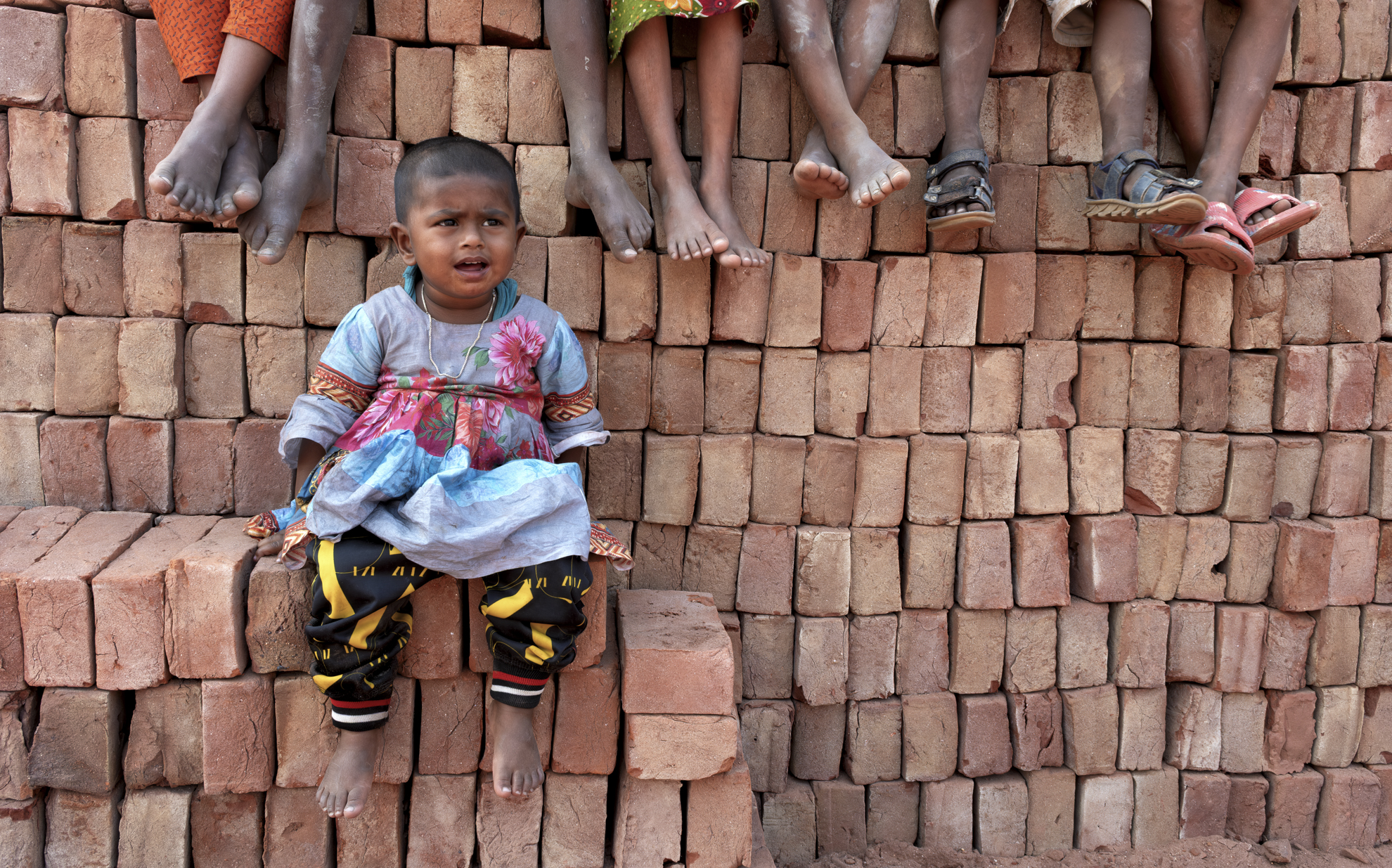
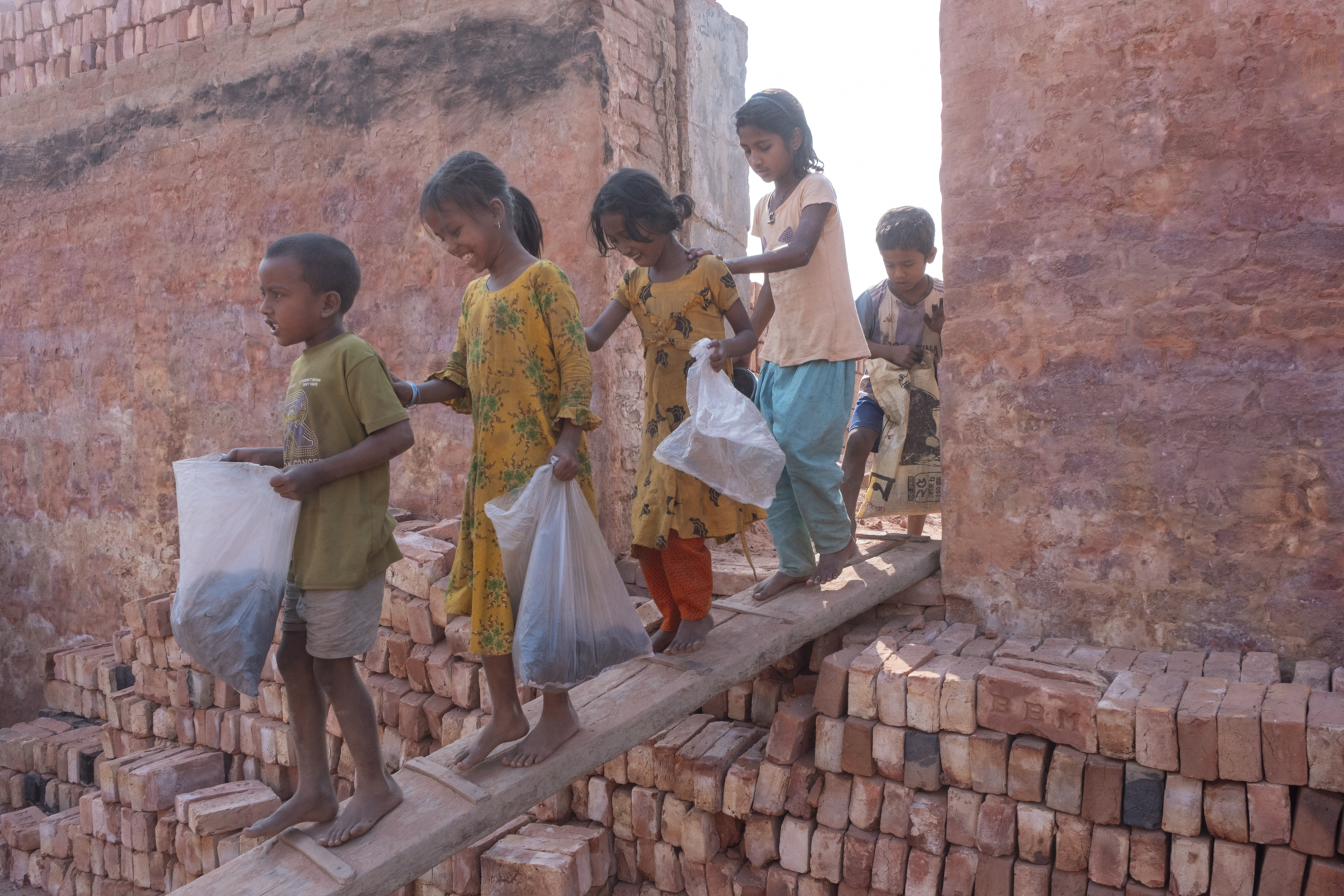
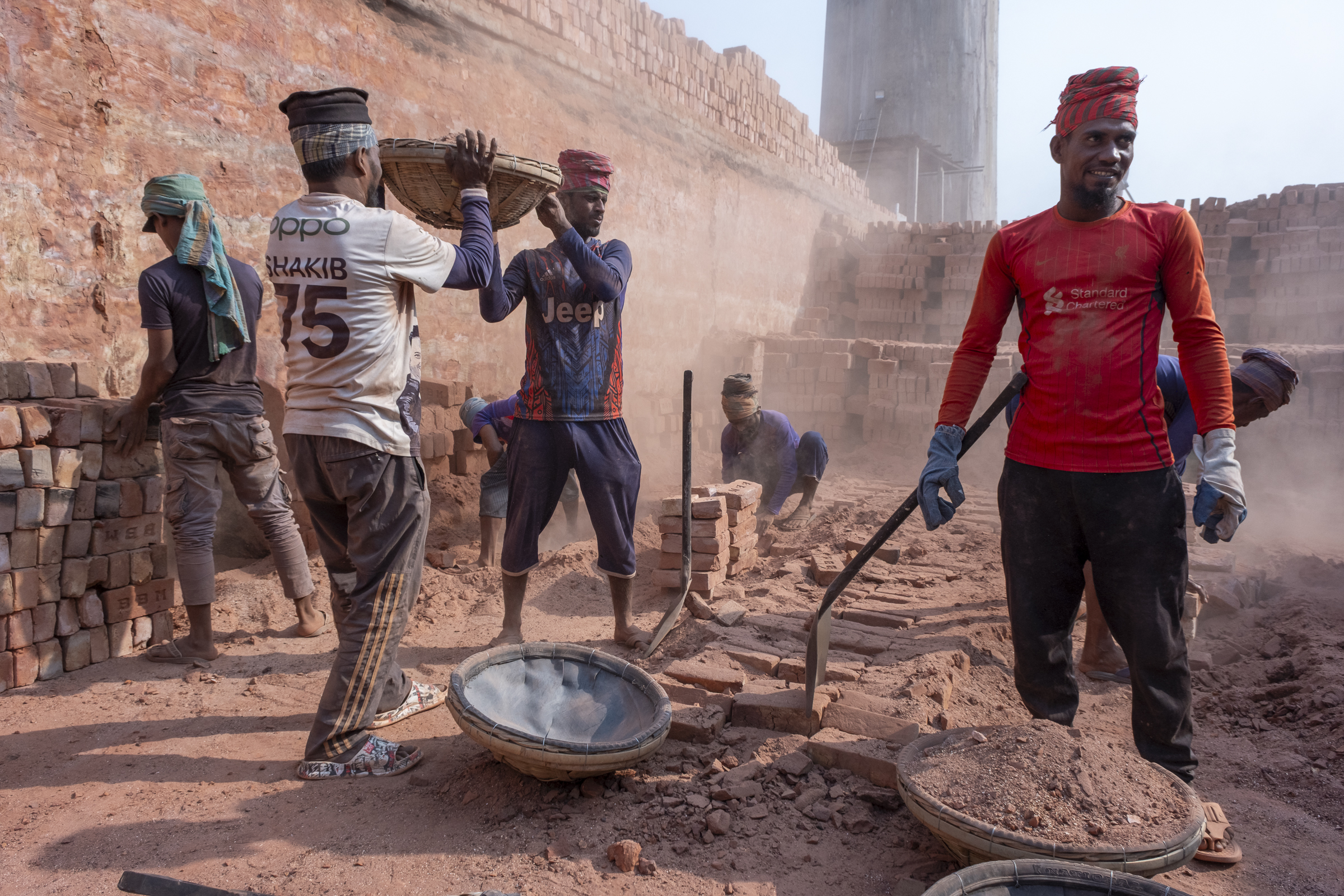
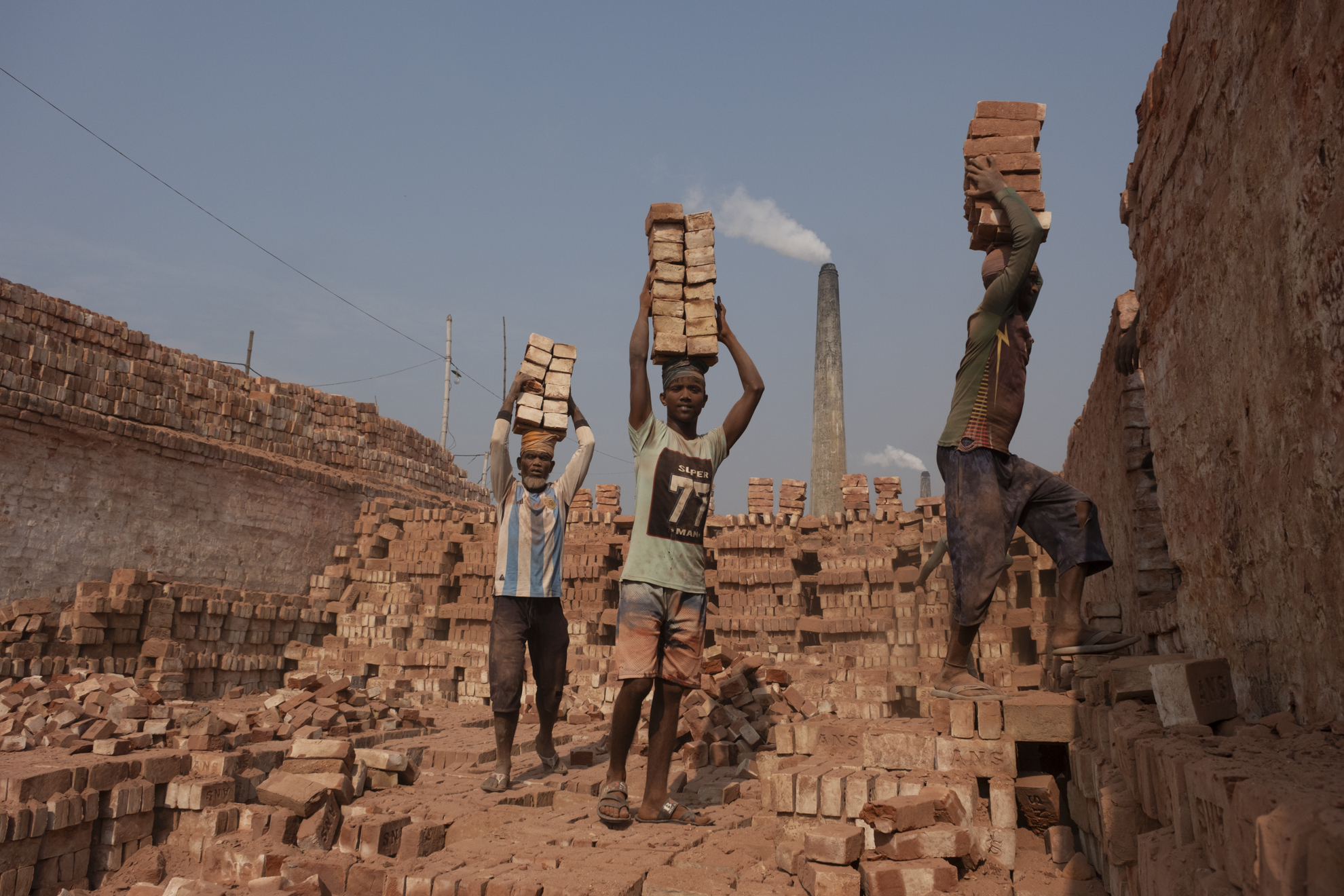
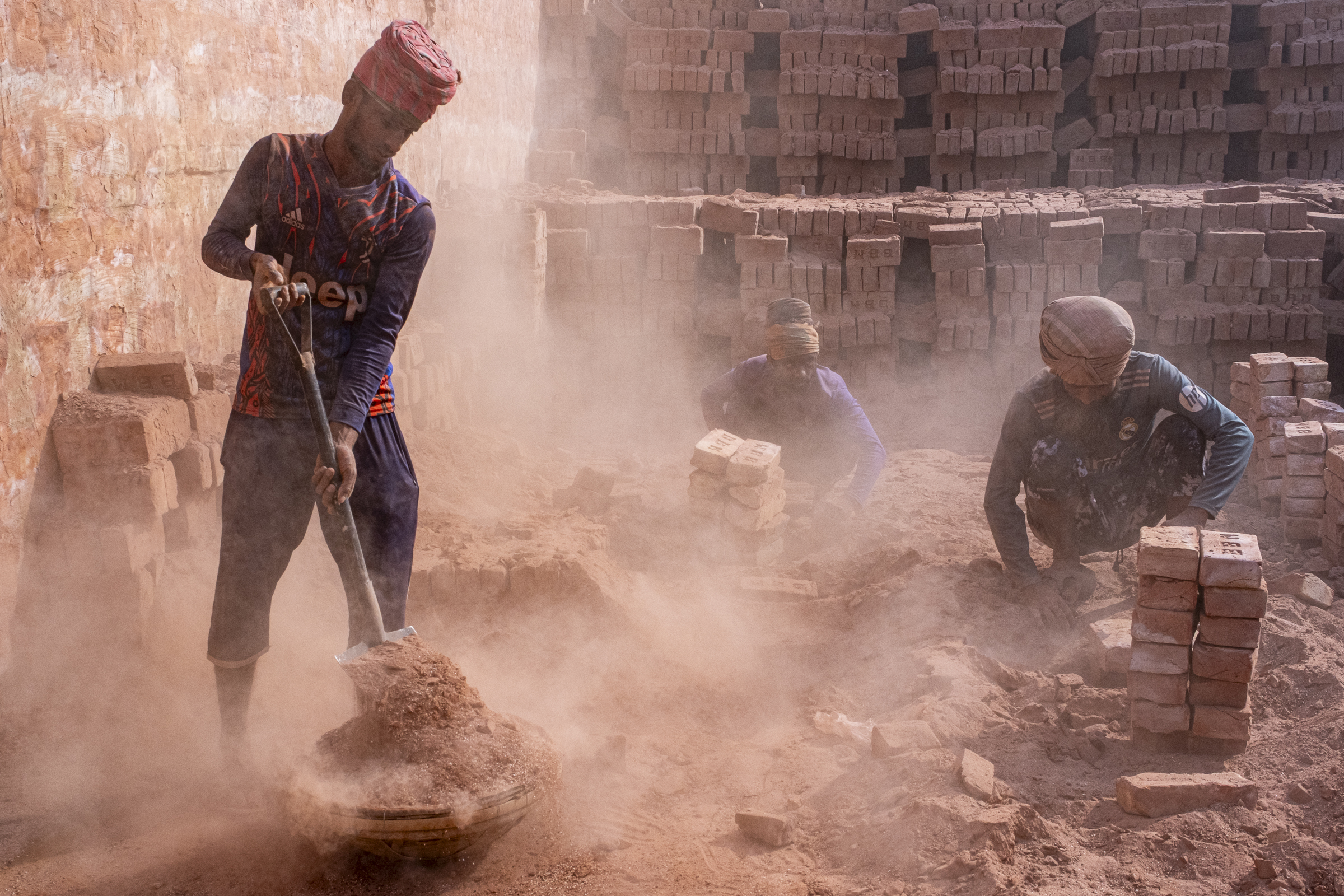
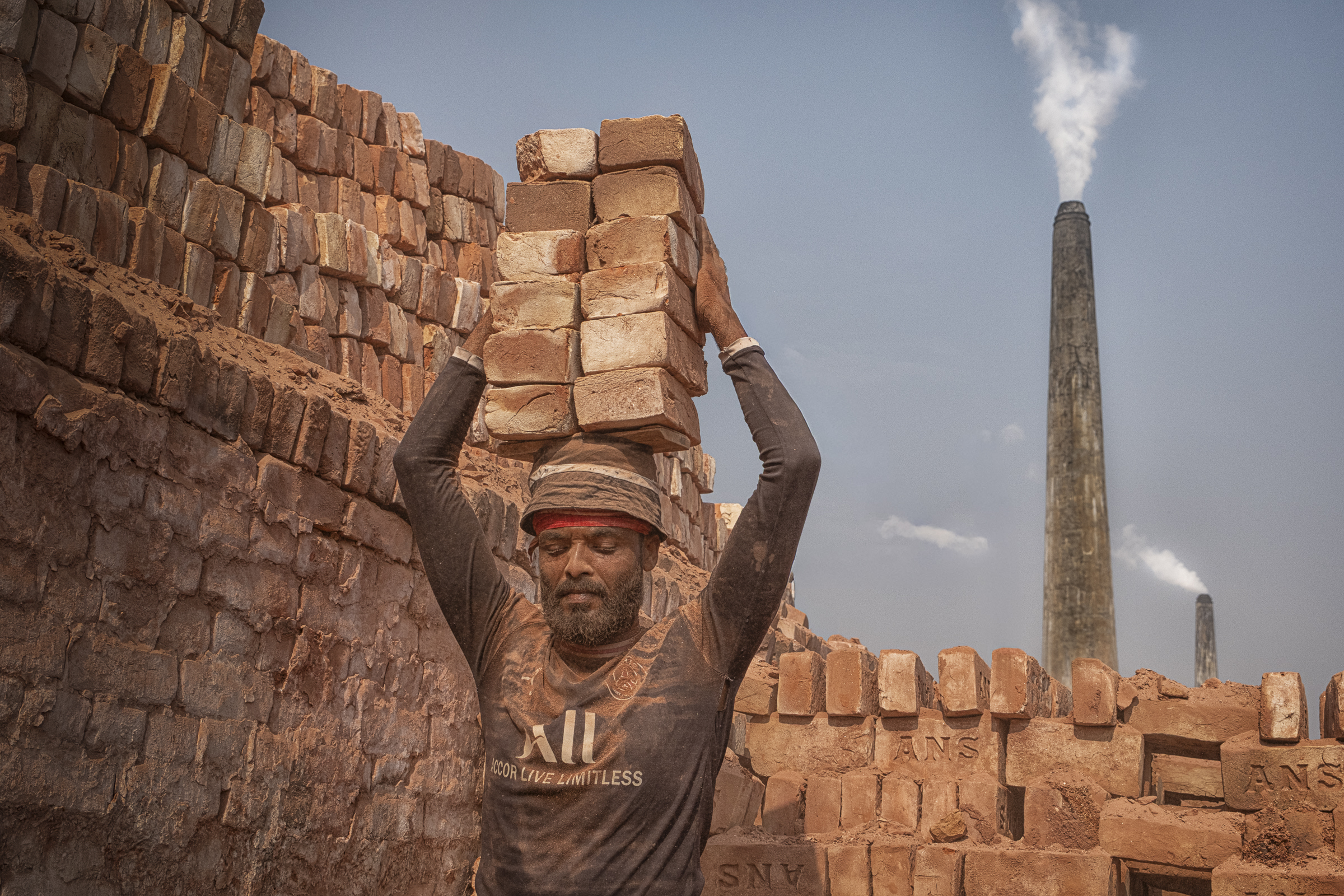
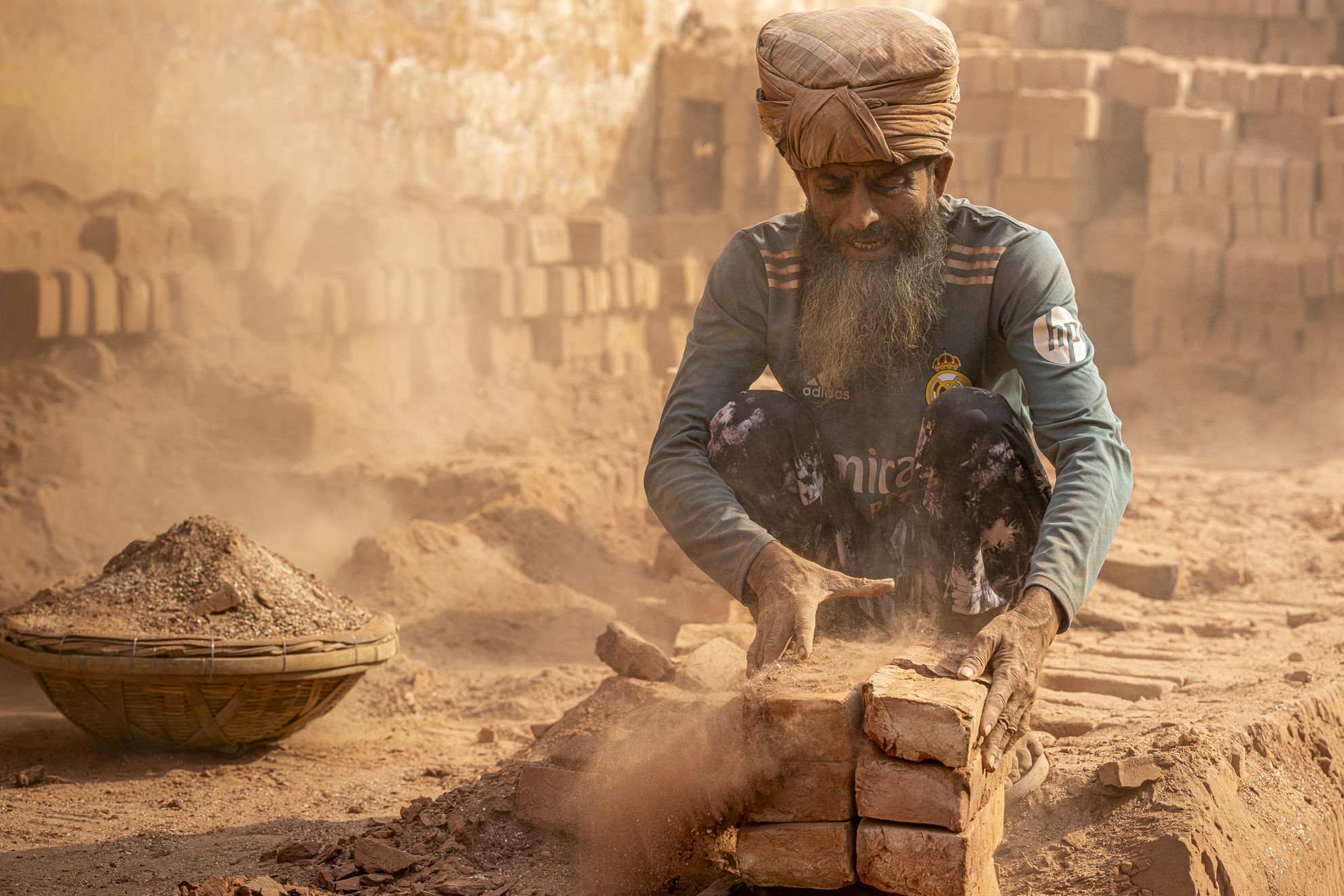
A brick weighs 5 kg, and men carry 12 on their heads, while women carry half that amount.The wage is around $10 for 6 hours of work per day, with women earning $5 and children $3.The company offers minimalist housing at a cost of $10 per month.Dust is omnipresent and there is no protection. Entire families work there, with no schooling for the children.
Modernization projects aim to use cleaner technologies and improve working conditions, but this is at the expense of the workforce.This industry can only operate during the dry season, which lasts six months of the year.
Dans les briqueteries, l’enfance se raccourcit.
Là où le jeu devrait exister, les enfants travaillent,
portant des charges trop lourdes pour leur âge,
respirant la poussière plutôt que l’air.
Leurs journées sont rythmées par la chaleur, la fatigue et la répétition,
et non par les sonneries de l’école ou des moments de repos.
De petites mains façonnent l’argile avec les mêmes gestes que les adultes,
tandis que leurs corps fragiles supportent un labeur qu’ils ne peuvent refuser.
C’est un temps volé —
une enfance consumée par la nécessité,
où la survie remplace l’innocence,
et où l’avenir se pèse, brique après brique.
In the brick kilns, childhood is shortened.
Children work where play should exist,
carrying loads heavier than their years,
breathing dust instead of air.
Their days are shaped by heat, tiredness, and repetition,
not by school bells or moments of rest.
Small hands mold clay with the same gestures as adults,
while fragile bodies absorb a labor they cannot refuse.
This is a stolen time —
a childhood consumed by necessity,
where survival replaces innocence,
and the future is weighed down, brick by brick.
La souffrance est silencieuse.
Elle ne s’exprime ni par la plainte ni par le regard, mais par l’usure lente des corps.
La poussière s’accroche aux poumons, la chaleur écrase les gestes, et la répétition transforme le travail en épreuve quotidienne.
Ici, les journées commencent avant que l’air ne soit respirable et se prolongent bien après que la fatigue a gagné chaque muscle.
Les mains façonnent la terre sans relâche, tandis que le souffle se fait plus court, plus lourd, jour après jour.
Ces hommes et ces femmes portent le poids d’un labeur invisible, essentiel et pourtant oublié.
Leurs corps racontent ce que les mots taisent :
une endurance imposée, une dignité fragile et la persistance de vies consumées lentement au rythme des fours et de la poussière.
Suffering is silent.
It speaks neither through complaint nor through the gaze, but through the slow erosion of bodies.
Dust settles deep in the lungs, heat crushes every movement, and repetition turns labor into a daily ordeal.
Here, days begin before the air becomes breathable and stretch long after exhaustion has reached every muscle.
Hands shape the earth without pause, while breath grows shorter, heavier, day after day.
These men and women carry the weight of an invisible labor, essential, yet largely forgotten.
Their bodies tell what words leave unsaid:
imposed endurance, fragile dignity, and lives slowly consumed by the rhythm of the kilns and the dust.